
Cybersecurity Trends in Finance: Predictive Insights into Emerging Risks (2026–2030)
Finance is entering a cycle where the “hack” is rarely a technical exploit and more often a precision abuse of trust. From 2026 to 2030, the highest losses will come from identity compromise, payment workflow manipulation, API abuse, and fraud that looks legitimate until money is gone. The strongest programs will treat security, fraud, and compliance as one operating system, powered by fast correlation and containment. This guide predicts what changes first, where attackers will concentrate, and what capabilities finance leaders must build to protect revenue, liquidity, and reputation.
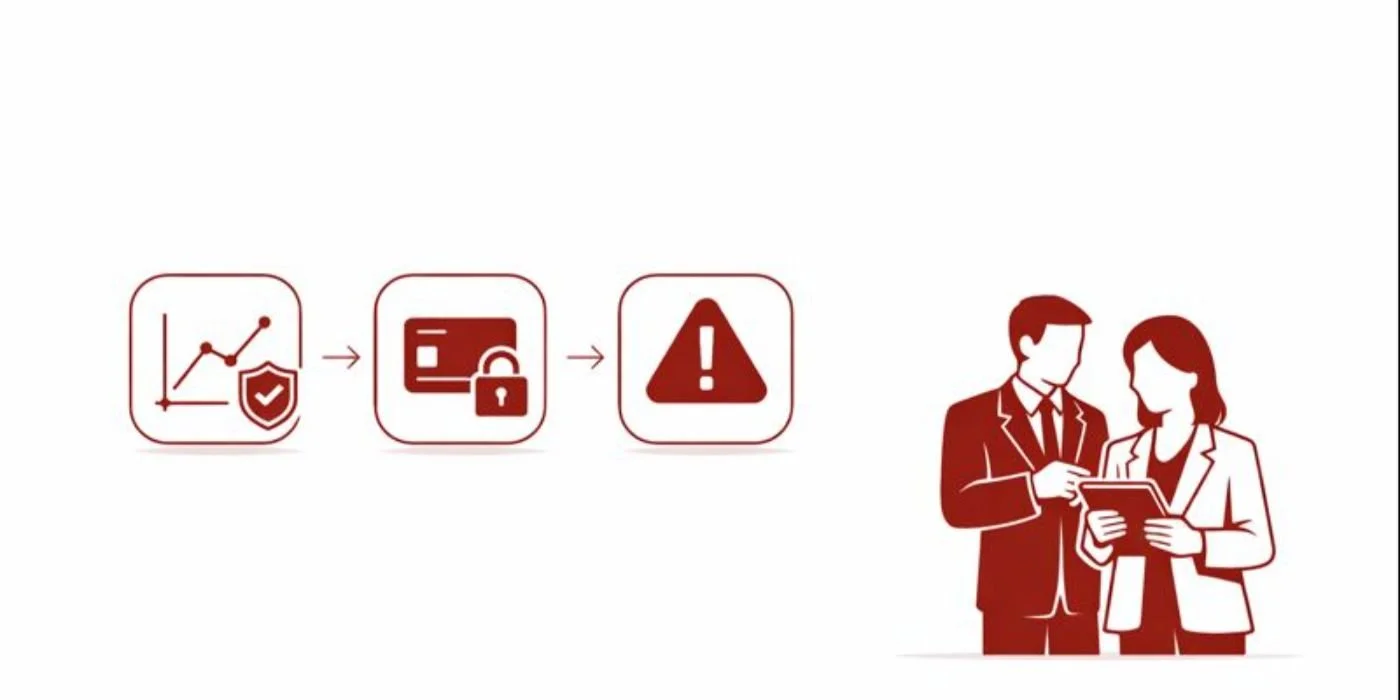
1) The Finance Threat Landscape (2026–2030): What Changes First and Why Traditional Defenses Lag
In finance, attackers chase outcomes, not access. The outcome is money movement, account control, or operational disruption. That is why finance will see fewer “noisy hacks” and more low friction compromises that blend into real customer and employee behavior. If your detection still depends on isolated logs and manual triage, you will fall behind, even if you own best of breed tools. Modern correlation programs like next gen SIEM roadmaps and stronger signal pipelines described in SIEM fundamentals become non optional because finance incidents unfold across endpoints, identities, and transactions in the same hour.
The first major shift is the collapse of the security versus fraud divide. Attackers will use credential stuffing, token replay, and social engineering to create “authorized” transactions that fraud teams must unwind later. If you do not fuse fraud telemetry with security telemetry, you will keep treating symptoms instead of cutting off the attacker’s path. This is also why finance organizations are investing in role specialization and workflows like those described in specialized cybersecurity roles and modern operating models influenced by automation in the cybersecurity workforce.
The second shift is identity becoming the primary attack surface. Between mobile banking, call centers, open banking APIs, and remote work, identity trust is continuously re validated. Attackers will exploit weak authentication, session theft, device spoofing, and customer support manipulation to bypass controls without triggering malware alerts. Endpoint telemetry still matters, but it must be identity aware, matching the direction described in endpoint security advances and workflow driven response patterns embedded in incident response execution.
The third shift is that data theft will look like normal exports. Finance has high value datasets, so attackers will target CRMs, document systems, ticketing platforms, and analytics exports. That is why controls like DLP strategy and tools and cryptographic hygiene described in encryption standards matter more than perimeter posture alone. Finally, ransomware and extortion will continue, but finance will treat it as an uptime and liquidity risk, using containment principles from ransomware detection and recovery and rehearsed playbooks grounded in IR plan development.
2) Predictive Emerging Risks Finance Leaders Must Model (Not Just React To)
Identity and session abuse becomes the primary loss engine
Finance attackers will prefer the path that produces “legitimate” logs. That means credential compromise, session replay, device spoofing, and call center manipulation. The control shift is toward identity bound sessions and fast revocation, supported by correlation pipelines like next gen SIEM capabilities and tactical evidence preservation in incident response execution. In parallel, endpoint telemetry must be interpreted through identity context, matching the maturity direction in endpoint security evolution.
Deepfake KYC and synthetic identity onboarding accelerates fraud at scale
Finance onboarding is a pressure point. Attackers can create accounts that look compliant long enough to move money, take credit, or launder. Your defenses need to focus on liveness and device identity, plus cross channel consistency checks that fraud teams and SOC teams share. Threat intelligence tuned to finance monetization patterns is essential, and the discipline for building that intelligence is covered in CTI collection and analysis. When you can map intelligence to detections, you shorten time to contain and reduce false positives.
API ecosystems widen the attack surface, especially through open banking and partner rails
Finance is integrating faster than ever. APIs enable customer experience and fintech partnerships, but attackers exploit broad scopes, weak object authorization, and token reuse. In practice, this becomes “data theft that looks like valid traffic.” Strong programs treat API telemetry as first class security data, then correlate it using patterns from SIEM monitoring fundamentals. Data movement controls should be strengthened using DLP strategies, and key protection needs to align with cryptographic best practices like those described in encryption standards.
Ransomware shifts toward operational disruption and regulatory pressure
Ransomware remains profitable, but finance is increasingly targeted for disruption, extortion, and reputational damage. Attackers will aim at shared services, authentication infrastructure, and back office systems that affect settlement, customer support, and reporting. Your advantage comes from segmentation and containment tiers practiced repeatedly, supported by practical guidance in ransomware response and recovery and rehearsed procedures in incident response plan development. If the organization only plans for cleanup after encryption, it will learn the wrong lesson.
Compliance expectations harden, and evidence becomes the product
From 2026 to 2030, regulators and auditors will focus more on demonstrable resilience than paperwork. That means immutable audit trails, repeatable investigations, and clear proof of access governance. The broader direction of evolving controls and governance is outlined in future cybersecurity standards, and the best teams will operationalize those expectations instead of treating them as annual checklists.
3) Defensive Capabilities That Win in Finance (2026–2030): The Real Roadmap
Build identity as the control plane for everything
Finance programs that treat identity as “just IAM” miss the point. Identity must bind sessions, devices, and transaction authority. Your goal is to make it hard to steal trust and easy to revoke trust. This is where endpoint strategy aligns with identity, echoing the direction in endpoint security advances. It is also where leadership needs clear playbooks, because revoking access quickly without breaking operations requires practice, the same operational discipline emphasized in incident response execution.
Treat data exfiltration as a predictable workflow, not a surprise
Finance data theft often happens through normal tools. Strong teams define what “normal export” looks like per role, then enforce controls that prevent silent staging and exfil. This is why DLP strategies should be tuned to finance workflows rather than generic patterns. Pair that with strong crypto posture described in encryption standards so even a breach has reduced blast radius.
Upgrade monitoring from alert volume to decision speed
Finance SOC teams drown when every tool produces separate narratives. The future program is one timeline with correlation and automation that reduces time to contain. The directional blueprint is covered in next gen SIEM evolution, and the foundation of why correlation matters is summarized in SIEM fundamentals. If the SOC cannot answer “what happened and what do we do now” within minutes, the organization remains vulnerable even with strong detection.
Strengthen network trust boundaries with practical controls
Finance environments still include legacy systems and high availability requirements. Strong boundary control reduces lateral movement during intrusions and ransomware. This is where practical network hardening topics like firewall technologies and detection capabilities like IDS deployment matter, because they provide early signals of movement, not just malware alerts.
4) The Operating Model Shift: How Finance Teams Must Run Security to Stay Ahead
Finance security succeeds when it behaves like a trading desk, not a ticket queue. You need fast decisions, clear playbooks, and real time coordination. That is why advanced programs fuse SOC, fraud, customer support, and compliance into a shared workflow. The core technology enabler is correlation and automation, described in next gen SIEM roadmaps and workforce evolution trends covered in automation in the security workforce. Without fusion, you get slow response, conflicting narratives, and loss that grows quietly.
The first operational change is to measure time to contain, not time to detect. Detection without containment is a loss report waiting to happen. Strong teams define containment tiers that are pre approved by legal, compliance, and leadership. That includes token revocation, payee lockouts, account holds, forced re authentication, and vendor access shutdown. The blueprint for building repeatable response is laid out in incident response plan execution and reinforced by recovery priorities in ransomware response.
The second operational change is stronger evidence discipline. Finance investigations fail when evidence is missing or untrusted. That is why immutable logs and centralized collection are essential, backed by the practical monitoring foundation described in SIEM overviews. When evidence is reliable, you reduce internal debate and respond faster, and you also improve audit readiness, which aligns with the governance trajectory described in future cybersecurity standards.
The third change is investing in intelligence that is finance specific. Generic threat feeds do not help when the real risk is social engineering, mule networks, and token misuse. Finance needs curated intelligence tied to real attacker playbooks, and the process for building intelligence is explained in CTI collection and analysis. When intelligence is mapped to detections, teams stop chasing noise and start predicting attacker moves.

5) A Practical Finance Roadmap: 90 Days, 6 Months, and 12 Months to Real Resilience
The first 90 days: remove the easy wins for attackers
Start with identity hardening for privileged users and high risk workflows. Reduce session theft risk with better authentication and session controls. Align endpoint telemetry to identity context using the mindset described in endpoint security advances. Then tune monitoring to focus on money movement signals and privileged changes using principles from SIEM fundamentals. In parallel, build one incident containment playbook that is actually executable, using the structure in incident response execution.
The next 6 months: fuse security and fraud into one timeline
Build shared investigations where fraud signals, customer actions, and security telemetry are correlated. This is where a unified pipeline like next gen SIEM evolution turns complex events into a single narrative. Add data movement controls tuned to finance workflows using DLP strategy. Strengthen cryptographic posture and key governance with guidance aligned to encryption standards. Finally, begin testing ransomware containment tiers, using the practical recovery mindset in ransomware detection and recovery.
The next 12 months: prove resilience and reduce systemic exposure
Mature finance programs prove they can contain and recover. That means segmentation, strong boundary controls, and practiced response. Use foundational network controls like firewall technologies and detection capabilities like IDS deployment to reduce lateral movement. Invest in finance focused intelligence using CTI collection. Upgrade operating models and role clarity using insights aligned with specialized cybersecurity roles. Then validate governance and evidence discipline against the direction described in future cybersecurity standards.
6) FAQs: Cybersecurity Trends in Finance (2026–2030)
-
The biggest trend is that attackers will increasingly produce “valid looking” activity. They will steal sessions, abuse tokens, manipulate call centers, and trigger authorized transfers. That is why finance must focus on identity context, session integrity, and rapid containment, supported by correlation pipelines like next gen SIEM roadmaps and disciplined action in incident response execution. If your program cannot revoke trust quickly, losses will continue even with strong detection.
-
Because tools do not automatically create decisions. Breaches become losses when teams cannot connect identity, endpoint, and transaction evidence into one timeline fast enough to contain. That is why modern correlation described in SIEM fundamentals and advanced pipelines in next gen SIEM evolution are core. The goal is decision speed, not dashboard count.
-
Treat onboarding as a high risk attack surface, not a compliance step. Use strong liveness checks, device binding, and cross channel consistency signals. Then use finance focused intelligence to detect emerging playbooks, building your intelligence discipline using CTI collection and analysis. When suspicious identities are detected, you need containment playbooks aligned to incident response execution so actions are immediate and consistent.
-
APIs create legitimate traffic that can still be abusive. Attackers exploit broad token scopes and weak object authorization, then scrape data or execute actions that are technically authorized. Strong programs correlate token behavior using monitoring patterns from SIEM overviews, shrink data exposure using DLP strategies, and enforce strong crypto and key practices aligned to encryption standards. The win is least privilege plus anomaly detection.
-
Containment tiers and segmentation. Ransomware impact drops sharply when lateral movement is restricted and privileged access is controlled. Use recovery and containment principles from ransomware response and recovery and build repeatable execution using incident response plans. Support it with practical boundary controls like firewall configuration and monitoring via IDS deployment.
-
Measure time to contain, time to recover, and loss avoided. Measure how quickly you can revoke sessions, lock high risk workflows, and stop money movement. Use correlation and automation aligned with next gen SIEM to reduce investigation time. Then validate governance and evidence discipline against the direction described in future cybersecurity standards. In finance, proof is part of the product.
-
Roles that connect technical signals to financial workflows. Threat intelligence that understands monetization patterns, analysts who can investigate across identity and transactions, and leaders who can operationalize containment. That aligns with the specialization trend in cybersecurity role demand and the workflow shift described in automation and the future workforce. Finance wins when expertise is structured, not scattered.
