
GDPR 2.0: Predicting the Next Evolution in Data Privacy Regulations
GDPR 2.0 will not be “GDPR with a few tweaks.” From 2026 to 2030, the next evolution of EU style privacy rules will behave like an operating standard for security, identity, vendor access, evidence, and breach response. The organizations that win will stop treating privacy as policy and start treating it as an engineering and operations discipline. This guide predicts what changes next, what regulators will actually pressure, and what you must build to stay defensible.
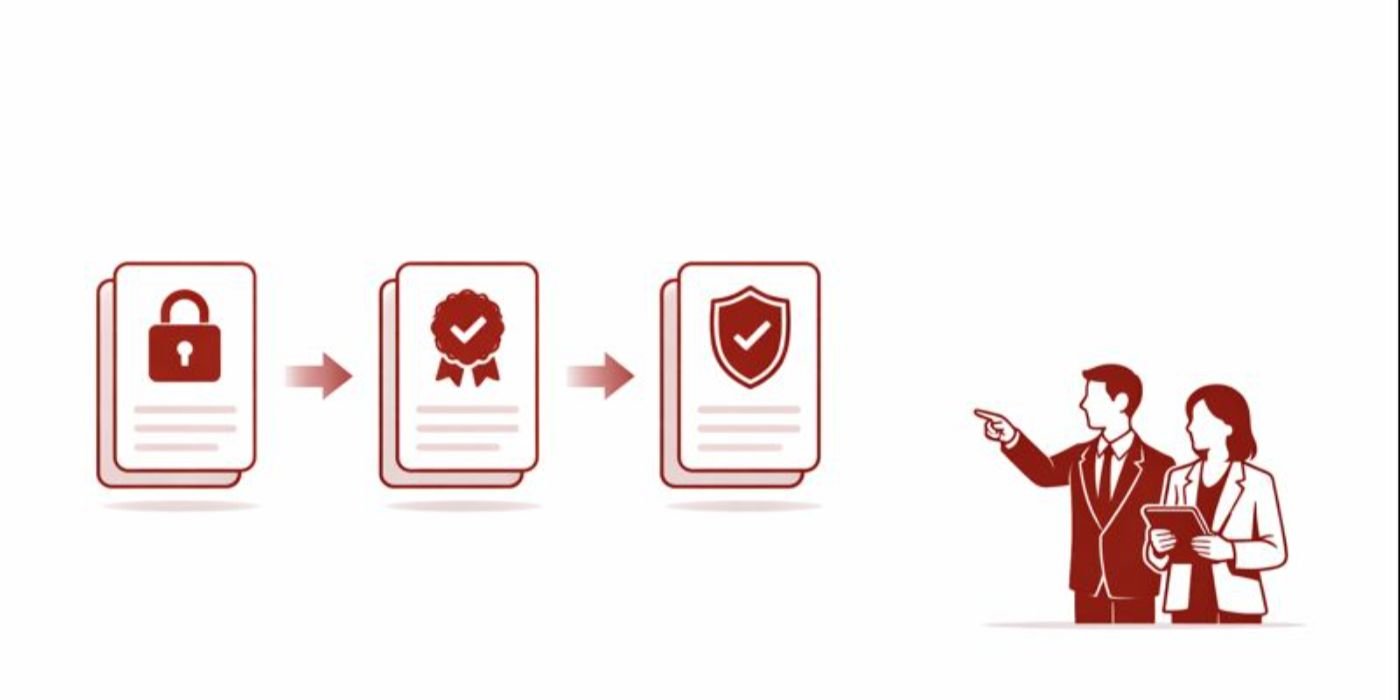
1) GDPR 2.0 From 2026 to 2030: The Real Shift Is Proof, Speed, and Control
GDPR’s original era rewarded documentation and governance. GDPR 2.0 will reward proof that controls work under stress. Regulators will ask questions that force technical answers: Who accessed the data, when, through which system, and what containment happened immediately after detection. If your evidence is incomplete, your narrative collapses. This is why capabilities grounded in strong event pipelines like SIEM monitoring and faster correlation described in next gen SIEM become privacy critical infrastructure, not just SOC tooling.
The first prediction is a tighter link between privacy and cybersecurity standards. GDPR 2.0 will increasingly align expectations with measurable technical controls, continuous validation, and audit ready outcomes. That direction mirrors the broader shift explained in future cybersecurity standards. When standards evolve toward repeatable controls, privacy enforcement follows because regulators prefer what can be tested and evidenced.
The second prediction is enforcement moving closer to real time. Between 2026 and 2030, privacy incidents will be judged by speed and containment effectiveness, not only by disclosure completeness. If exposure continues after detection because a team debated ownership, that delay becomes liability. This is why execution discipline from incident response planning becomes part of your privacy posture, and why resilience principles from ransomware response matter even when the incident is “only data access.”
The third prediction is that GDPR 2.0 will pressure organizations to control data movement across vendors and SaaS. The most damaging privacy incidents will not be a classic exploit. They will be legitimate credentials used to export, sync, and stage sensitive data. This is why DLP strategies will become central to compliance narratives, and why threat driven tuning through CTI programs will be used to justify why controls target realistic attacker paths.
The fourth prediction is that identity will become the main privacy control surface. Account takeover, session theft, vendor access abuse, and mis-scoped tokens produce privacy exposure without “breaking in.” The security evolution described in endpoint protection trends will matter because endpoints, identities, and sessions will be judged as a single system. Regulators will not care that malware was not present if access was unauthorized and harm occurred.
2) The GDPR 2.0 Control Stack: What Will Be Expected, Not Merely Recommended
Centralized evidence becomes mandatory
GDPR 2.0 will push organizations toward a posture where evidence is always available. Not a scramble after an incident. That means centralized telemetry, consistent retention, and integrity. Foundations are outlined in SIEM monitoring, while advanced correlation needed for speed is described in next gen SIEM. If your logs are fragmented across tools, you will produce contradictory exposure statements, and that becomes the kind of failure regulators punish.
Data movement controls become privacy controls
Most future privacy failures will be data movement failures. Exports, downloads, uploads, and sync behavior will be exploited by attackers and insiders using valid credentials. GDPR 2.0 will pressure organizations to show controls that prevent bulk movement and detect anomalies. This is why DLP strategy becomes a primary compliance control, and why threat tuned detection based on CTI programs helps focus on realistic abuse. When you can demonstrate that bulk exports are governed per role, you can credibly claim minimization and protection.
Encryption and trust infrastructure becomes a defensibility layer
Encryption reduces harm, but GDPR 2.0 will focus on whether encryption is properly governed. Weak key handling will be treated as a preventable control failure. This makes modern cryptographic hygiene from encryption standards essential. Trust infrastructure also matters because identity and service authenticity will be central to preventing unauthorized access. Concepts covered in PKI basics will be increasingly relevant for proving trusted systems and reducing impersonation risk.
Incident response becomes a compliance capability
Under GDPR 2.0, a slow response becomes a compliance failure. Organizations must execute containment and scope analysis quickly, with defensible evidence. That is why execution frameworks in incident response planning matter, and why extortion and operational disruption thinking from ransomware response matters even when encryption is not present. The pressure will be to show that you can stop exposure, not only report it.
Network boundaries and visibility limit breach size
Regulators care about impact. Impact depends on how far attackers can move and how much data they can access. Controls like firewall governance and early visibility using IDS deployment will be part of strong privacy defensibility. Strong boundaries do not prevent every breach, but they reduce the number of affected records, which changes reporting severity and enforcement posture.
3) What GDPR 2.0 Will Target: The Breach Patterns Regulators Will See Again and Again
Valid access abuse will dominate incident volume
The common future pattern is stolen trust. Attackers take over accounts, hijack sessions, or abuse vendor access, then export data through normal interfaces. That is why endpoint evolution described in endpoint security trends matters. The endpoint becomes a trust signal, not only a malware detector. When identity and device posture are weak, unauthorized access becomes harder to prove and harder to contain, which increases compliance exposure.
SaaS and vendor sprawl creates hidden processing
Organizations often discover that personal data is processed in tools nobody mapped. CRM integrations, marketing automation, support systems, and analytics platforms quietly expand data exposure. GDPR 2.0 will pressure organizations to show processor inventories and monitoring. Strong internal visibility is supported by centralized evidence from SIEM foundations and faster event correlation described in next gen SIEM. Without this, you cannot confidently answer where data went during an incident.
DoS and bot events will increasingly be used as distraction
Attackers will use disruption to hide exfiltration and access abuse. If teams treat availability issues as separate from privacy, they get blindsided. A practical threat context for disruptive events is reinforced by topics like DoS prevention and large scale automated abuse patterns described in botnet disruption. GDPR 2.0 does not directly regulate DoS, but the distraction effect increases exposure.
Remote access and VPN weaknesses will remain high leverage
Remote access remains a common entry point for unauthorized access that leads to privacy exposure. GDPR 2.0 will pressure stronger proof of access controls, and remote channels will be reviewed after incidents. That is why practical governance and risk discussion in VPN security should be linked to identity and logging strategies, not treated as a network topic only.
4) GDPR 2.0 Enforcement Patterns: How Regulators Will Investigate and Where Teams Get Trapped
GDPR 2.0 enforcement will focus less on whether you had a policy and more on whether you had control. The first trap is unclear exposure scope. Teams often announce broad exposure because they cannot prove the exact access path. That creates reputational damage and can increase penalties. Avoiding this requires centralized evidence pipelines from SIEM monitoring and higher fidelity correlation described in next gen SIEM. When evidence is clear, communications become accurate and defensible.
The second trap is slow containment. If unauthorized access continues because teams argue about approvals, regulators treat that delay as a failure to safeguard. This is why you must pre approve containment actions using frameworks in incident response execution. Mature programs pre define actions like session revocation, export shutdown, vendor access suspension, and key rotation so containment is immediate and consistent.
The third trap is vendor ambiguity. Many organizations discover during investigations that a vendor had broader access than expected. Under GDPR 2.0, “we did not know” will not be an acceptable answer. You need continuous monitoring, access governance, and evidence of how vendor access is controlled. Supporting controls often include secure trust foundations like PKI governance and strong encryption handling based on encryption standards. When vendor access is well governed, you reduce both breach probability and enforcement pain.
The fourth trap is ignoring operational disruption as part of privacy risk. Attackers often combine disruption with data theft. If a DoS event distracts your SOC while data is exported, the privacy harm grows. This is why awareness of disruption tactics from DoS prevention and automated attack infrastructure from botnet disruption should be part of privacy incident planning, not separate workstreams.

5) GDPR 2.0 Readiness Roadmap: What to Build First So You Can Prove Control
Step 1: Treat your evidence pipeline as a product
Build a log and evidence pipeline that can answer exposure questions fast. Consolidate identity, endpoint, cloud, and SaaS signals into a central view. Foundations are in SIEM fundamentals, and advanced correlation needed for speed is described in next gen SIEM. Your goal is time to clarity. If you cannot reconstruct events quickly, you cannot communicate accurately.
Step 2: Build data movement controls tied to real workflows
Define what normal exports look like per role, then enforce controls. Implement monitoring and restrictions for bulk exports, unusual downloads, and unexpected uploads. Use DLP strategy as the enforcement layer, and tune it using realistic attacker methods through CTI programs. When DLP is aligned to workflows, it stops being noisy and starts being protective.
Step 3: Harden identity and sessions as the core privacy perimeter
Most privacy incidents start with stolen trust. Strengthen authentication for privileged access, enforce session integrity, and ensure you can revoke sessions quickly. Pair this with endpoint and identity convergence described in endpoint security advances. When identity is treated as a control plane, you reduce unauthorized access and improve audit narratives.
Step 4: Upgrade encryption and key governance to audit grade
Encryption reduces breach harm only when keys are governed. Align encryption posture with modern best practice described in encryption standards. Support trust and identity proofs using PKI concepts. This makes it easier to defend why exposure impact was limited and why controls were reasonable under GDPR 2.0 scrutiny.
Step 5: Make containment actions pre approved and practiced
Write and rehearse exposure playbooks. Include data export shutdown, vendor access suspension, credential revocation, and key rotation. Use frameworks from incident response execution. Include extortion and disruption readiness using ransomware response. Practice is what makes compliance defensible because it proves repeatability.
6) FAQs: GDPR 2.0 Predictions (2026–2030)
-
It shifts the burden from policy to proof. Security teams must produce fast evidence of access control, data movement protection, and containment actions. This makes centralized telemetry from SIEM monitoring and accelerated correlation described in next gen SIEM essential. Teams that cannot reconstruct exposure scope quickly will struggle to communicate accurately and will face higher enforcement friction.
-
Because most exposure will happen through legitimate tools. Exports, downloads, and sync behavior are the real exfil channels. GDPR 2.0 will pressure organizations to demonstrate controls that monitor and restrict bulk movement. This is exactly the role of DLP strategies, especially when tuned to attacker behavior using CTI programs. If you cannot control bulk data movement, you cannot claim minimization and protection.
-
It raises expectations that you can prove how vendors access and process personal data. Vendor access will be treated like privileged access. You need monitoring, least privilege, and the ability to suspend vendor access immediately during suspicion. Trust and cryptographic discipline from PKI foundations and encryption standards strengthens defensibility when investigators ask how you controlled vendor processing.
-
Slow containment. If access continues after detection, regulators treat it as a failure to safeguard. The fix is pre approved containment actions and rehearsed execution using incident response runbooks. When disruption or extortion is involved, resilience planning from ransomware response becomes part of privacy readiness because it supports fast containment and controlled recovery.
-
Yes, but the real pressure is governance. Encryption is only defensible when keys are protected, rotated, and access to secrets is tightly controlled. Modern expectations are covered in encryption standards. Strong trust infrastructure using PKI helps prove service identity and reduces impersonation risks that often lead to unauthorized access.
-
By designing for reconstruction. Centralize evidence, ensure log integrity, and connect identity, endpoint, SaaS, and data movement events into one timeline. Foundations are described in SIEM monitoring and the correlation improvements needed for speed are described in next gen SIEM. When you can reconstruct exposure precisely, you reduce over reporting and improve compliance defensibility.
-
Because they distract teams while data is accessed or exported. Disruption events create operational noise that attackers exploit. Understanding disruption patterns like DoS attacks and automated infrastructure like botnets helps teams plan for blended incidents. GDPR 2.0 will not penalize you for being attacked, but it will penalize poor safeguards and slow containment when exposure grows.
