
Predicting Cybersecurity Job Market Trends: Roles That Will Thrive by 2030
In 2026, the cybersecurity job market is splitting into two worlds. One world is overcrowded with people who can repeat tool names. The other world is starving for professionals who can reduce risk under pressure, prove security outcomes, and lead response when systems are bleeding. By 2030, “generalist security” will shrink, while roles tied to measurable impact will thrive. If you want a career that keeps compounding, you need to align your skills with the threat patterns, compliance pressure, and operational realities shaping hiring decisions.
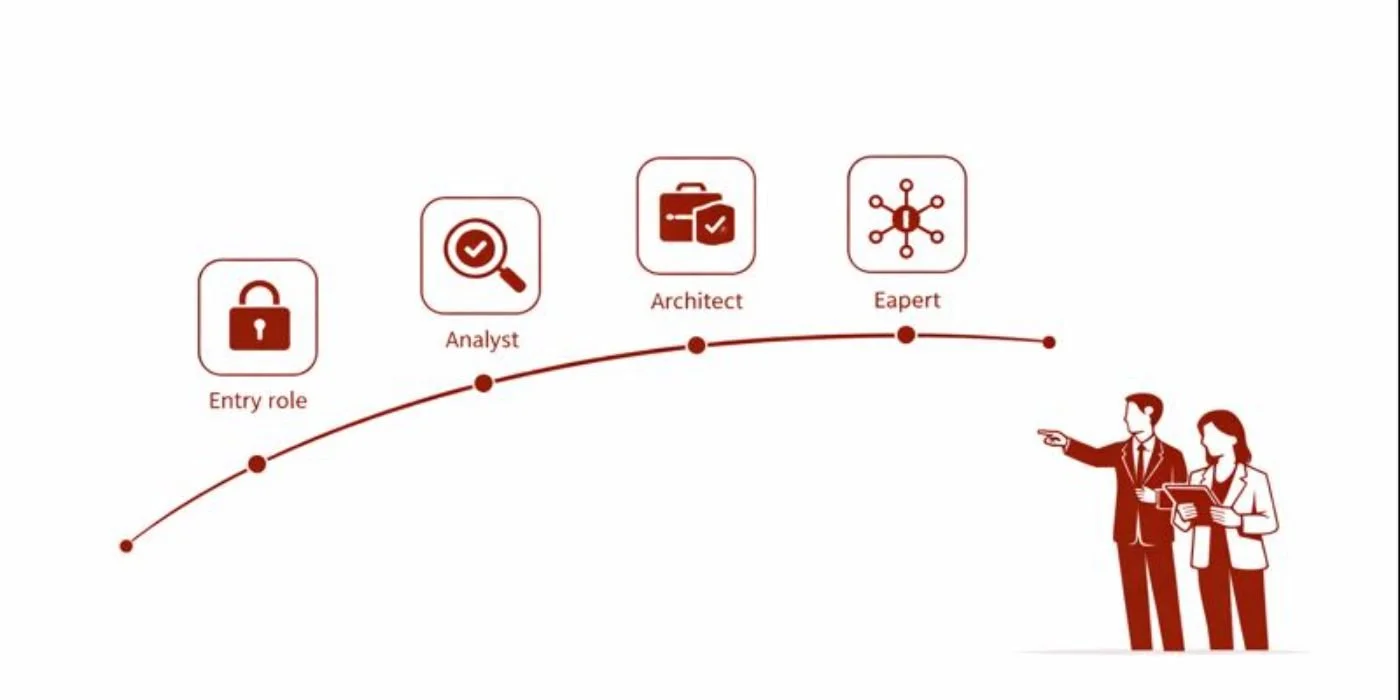
1: The Forces Reshaping Cybersecurity Hiring From 2026 to 2030
The job market is not changing because HR got smarter. It is changing because attacks got more scalable, regulation got more enforceable, and leadership finally started measuring security as a business function.
The first force is identity-led compromise. Many breaches begin with stolen credentials, token abuse, or vendor access that never should have existed. That is why employers prioritize roles that can build governance and enforce access discipline using frameworks and telemetry, not only policy. If you understand what “proof-driven security” looks like through the lens of the NIST cybersecurity framework adoption analysis and can translate it into operational evidence via a SIEM overview, you become valuable fast.
The second force is ransomware resilience. The modern expectation is not “avoid ransomware forever.” The expectation is “contain fast, restore fast, and limit data theft.” This drives demand for incident responders, detection engineers, and security leaders who can build recovery capability using ransomware detection response and recovery and execute playbooks grounded in an incident response plan. Employers want people who can show they understand how ransomware actually spreads and how to stop it before it becomes a public failure.
The third force is compliance pressure that is shifting to evidence. By 2030, compliance will reward organizations that can prove controls are enforced continuously. That creates a hiring spike for practitioners who can build compliance-ready operations aligned with cybersecurity compliance trends and privacy control realities covered in GDPR and cybersecurity best practices. If you can turn regulatory requirements into measurable controls that survive real incidents, you become hard to replace.
The fourth force is security operations maturity. Organizations are tired of buying tools and still losing because response is chaotic. They are investing in workflows, logging, detection quality, and triage systems. That is why roles tied to operational effectiveness rise, especially those who can architect, tune, and operationalize systems described in a SIEM overview and integrate enrichment from cyber threat intelligence collection.
The fifth force is the talent bottleneck. Many companies cannot hire enough skilled professionals to cover 24/7 operations, threat hunting, compliance, and vendor risk. This pressure is reflected in the cybersecurity workforce shortage study. The result is that high-skill roles that automate, scale, or lead teams become even more valuable. This also increases the use of managed providers, which pushes demand for professionals who can evaluate providers using criteria similar to the MSSP guide and still maintain internal accountability.
Finally, pay and location dynamics are shifting. Remote work expands candidate pools, but employers still pay premiums for roles that directly reduce loss. Understanding compensation patterns and negotiation leverage is easier when you study the market signals in the remote vs on-site cybersecurity salaries report and benchmark your growth against leadership paths like the SOC analyst to SOC manager roadmap and the step-by-step CISO guide.
2: The Roles Most Likely to Thrive by 2030 (and Why Employers Will Pay More)
If you want a stable, high-upside career through 2030, target roles that tie directly to outcomes leaders can understand: reduced breach probability, reduced incident impact, faster recovery, cleaner compliance evidence, and lower exposure through vendors.
Role cluster 1: Security operations leadership and response
SOC leadership will remain one of the strongest career bets because every organization needs reliable response. The best SOC managers do not just run shifts. They design workflows, remove noise, train analysts, and own performance metrics. If you want the exact path from junior analyst to leader, use the SOC analyst to SOC manager roadmap. Pair that growth with deep operational understanding of SIEM fundamentals, enrichment through cyber threat intelligence, and incident structure through an incident response plan.
Incident response roles rise because reporting timelines and ransomware pressure demand speed and consistency. The difference between an average responder and a strong one is evidence discipline and containment clarity. You do not become elite by learning more tools. You become elite by building repeatable response under stress using incident response plan execution and resilient recovery processes grounded in ransomware response and recovery.
Role cluster 2: Identity, data, and access governance
Identity is where attackers win, which is why IAM and privileged access roles grow. Employers pay more for professionals who can reduce identity sprawl, enforce strong authentication, and build measurable access review programs that align with cybersecurity compliance trends. If you can link identity controls to telemetry in a SIEM program, you become a compliance and security asset.
Data protection roles grow because regulators and executives care about data theft outcomes. DLP, encryption governance, and privacy security will thrive as organizations adapt to expectations described in data loss prevention strategies, crypto foundations in encryption standards, and cross-regime requirements similar to those in GDPR and cybersecurity best practices.
Role cluster 3: Risk, governance, and leadership roles that can prove outcomes
GRC is becoming a high leverage track for professionals who can map requirements to enforceable controls and produce evidence. “Policy writing” alone is not enough. The winning skill is turning regulatory pressure into operational workflows tied to frameworks like the NIST cybersecurity framework adoption analysis. At the top end, leadership roles like cybersecurity directors and CISOs will grow as accountability expands, which is why career roadmaps like the security manager to director path and the step-by-step CISO guide remain critical references.
Role cluster 4: Offensive and validation roles that close real gaps
Penetration testing and ethical hacking do not vanish by 2030. They evolve. The market values testers who can translate findings into prioritized remediation and measurable exposure reduction. If you want a structured growth ladder, study the junior penetration tester to senior security consultant path and build credibility through a foundation aligned with the ethical hacker guide. The highest leverage offensive roles increasingly work with defenders in purple teaming, driving improvements in detection and resilience tied to SIEM operations.
3: Skills That Will Differentiate You by 2030 (and the Proof Hiring Managers Want)
By 2030, resumes that list tools without outcomes will be filtered out. Employers will ask, “What did you reduce?” and “What did you improve?” If you cannot answer, you will be replaced by someone who can.
Skill 1: Building evidence, not assumptions
Learn how to connect logs, define use cases, and produce audit-ready evidence. This starts with mastering the operational mechanics in a SIEM overview and tying telemetry into structured workflows described in an incident response plan. If you can show you reduced mean time to detect and mean time to respond, you gain leverage.
Skill 2: Incident muscle under stress
Organizations do not fail because they did not “know about threats.” They fail because response is slow and inconsistent. Build your skills around containment, evidence capture, and recovery using incident response plan development and ransomware-specific workflows from ransomware detection response and recovery. Your proof metrics are drill outcomes, scoping speed, and restoration speed.
Skill 3: Modern threat intelligence and prioritization
CTI is not about collecting feeds. It is about turning external threat reality into internal action: patch priority, detection tuning, and risk narratives that leadership can fund. If you can do that, you become valuable across SOC, GRC, and engineering roles. Anchor your approach in cyber threat intelligence analysis and show how your intelligence changed detection effectiveness through the SIEM program.
Skill 4: Compliance that maps to control enforcement
Compliance roles thrive when they become operational. Learn how to map requirements to enforceable controls, and how to prove those controls are working. Use the structure in the cybersecurity compliance trends report and align control language through the NIST adoption analysis. Then implement real enforcement layers using data loss prevention and cryptographic governance rooted in encryption standards.
Skill 5: Career compounding through leadership capability
The highest paid professionals by 2030 will not be the ones who know the most commands. They will be the ones who can lead security programs and align teams. Build leadership paths using the SOC analyst to SOC manager roadmap, transition into strategic responsibility with the security manager to director roadmap, and learn executive accountability through the step-by-step CISO guide.
4: High-Resilience Career Paths That Thrive in Any Economy (2026–2030)
Economic cycles come and go. Breaches do not. The most resilient cybersecurity careers are tied to non-negotiable outcomes.
Path A: SOC analyst → SOC manager → security operations leader
This path thrives because organizations cannot outsource accountability for response. The fastest way to move up is to become the person who improves triage quality, reduces noise, and improves incident outcomes. Build your progression using the SOC manager career path, develop evidence pipelines using the SIEM overview, and strengthen incident execution using the incident response plan guide.
Path B: Security engineer → incident response lead → ransomware resilience specialist
Ransomware keeps this path strong because downtime is expensive and reputationally brutal. Employers value professionals who can build recovery plans, run restore tests, and isolate compromised systems fast. Learn the operational model from ransomware detection response and recovery and formalize response discipline using an incident response plan. If you can prevent repeat incidents, you become a core business protector.
Path C: GRC analyst → compliance program manager → security director
This path thrives because regulation and customer security requirements increase. The winning professionals are not “document writers.” They are control translators who can connect compliance to enforcement. Anchor your work in the cybersecurity compliance trends report, align mapping through the NIST adoption analysis, and support technical controls through data loss prevention. As you grow, use the security manager to director roadmap to structure leadership outcomes.
Path D: Junior pentester → senior security consultant → strategy and validation leader
Offensive paths thrive when they produce remediation outcomes. If your reports are ignored, your career stalls. Build credibility through structured progression in the junior penetration tester to senior consultant roadmap and credibility foundations aligned with the ethical hacker guide. Then add defensive integration by learning how findings translate into detections within a SIEM program.
Path E: Security manager → director → CISO
This path thrives because boards and executives need accountability. The professionals who rise fastest can translate technical risk into business decisions and lead response without panic. Use the security manager to director roadmap and the step-by-step CISO guide. Strengthen your strategic grounding by referencing threat and market dynamics through the global cybersecurity market report.

5: A 90-Day Plan to Position Yourself for a Thriving Role by 2030
This plan is designed to create momentum fast. It focuses on proof, not vague learning.
Days 1 to 30: Pick a role and build a proof portfolio
Pick one target role cluster: SOC operations, incident response, GRC, IAM, cloud security, or offensive validation. Then create proof artifacts that show outcomes. Examples include a detection use-case writeup, an incident tabletop plan, a DLP policy design, or a vendor risk checklist. Use real-world structure references from a SIEM overview and an incident response plan. For leadership tracks, align your narrative using the SOC manager roadmap or the security manager to director roadmap.
Days 31 to 60: Build one deep technical competence that maps to real incidents
Choose one competence that employers pay for because it reduces incident impact:
Ransomware response design using ransomware detection response and recovery
Threat intelligence workflow building using cyber threat intelligence analysis
Data protection enforcement using data loss prevention
Encryption governance using encryption standards
Network hardening concepts grounded in firewall technologies and intrusion detection systems
Then write down the metric you improved, even if it is a simulated metric in a lab environment. Hiring managers want clear thinking and structured measurement.
Days 61 to 90: Interview-proof your narrative and negotiation leverage
Most candidates fail interviews because they talk in tool names instead of incident logic. Train yourself to explain how you detect, scope, contain, eradicate, and recover. Use the structure in an incident response plan, then demonstrate how you operationalize detection through a SIEM program. When negotiating, anchor your value in the outcomes you can deliver and use compensation knowledge from the remote vs on-site cybersecurity salaries report to frame your leverage.
6: FAQs on Cybersecurity Job Market Trends and Roles That Thrive by 2030
-
Roles that require judgment under pressure and cross-team leadership are the hardest to automate. SOC management, incident response leadership, security architecture, and GRC roles that translate regulations into enforceable controls will remain resilient. Automation will assist triage, correlation, and repetitive response actions, but people will still be needed to decide scope, manage stakeholders, and drive remediation. Build resilience by mastering workflows in a SIEM program and executing response using an incident response plan. If you want a structured leadership ladder, follow the SOC analyst to SOC manager roadmap.
-
GRC becomes valuable when it is technical enough to be enforceable. Pure policy work without evidence is losing relevance. The strongest GRC professionals understand logging, identity governance, data protection, and incident reporting readiness. If you can map requirements using the cybersecurity compliance trends report and convert them into measurable controls tied to data loss prevention and SIEM evidence, you become high-impact and well-paid.
-
The fastest path is choosing a role cluster early and building proof of outcomes. SOC analysts who become strong in detection engineering and incident response often move up quickly because the impact is measurable. Use the structured progression in the SOC manager career roadmap, deepen response capability through an incident response plan, and specialize in high-demand incident domains like ransomware via ransomware detection response and recovery.
-
Yes, but the market rewards testers who drive remediation outcomes, not those who only find vulnerabilities. The best offensive professionals translate findings into prioritized risk reduction and help organizations validate that defenses improved. Build your career ladder using the junior penetration tester to senior consultant path and credibility foundations through the ethical hacker guide. Pair offensive work with defensive integration using SIEM operations to show measurable improvement.
-
Remote roles remain strong for positions that can deliver outcomes without physical access: detection engineering, CTI, GRC, cloud security, IAM governance, and incident coordination. Employers still demand proof of performance, especially in incident response and compliance readiness. Study compensation and hiring patterns using the remote vs on-site cybersecurity salaries report, and build a portfolio that demonstrates structured thinking grounded in a SIEM program and an incident response plan.
-
You prove value by showing you can think like someone who owns outcomes. Build a small portfolio: a SIEM detection use-case plan, an incident response tabletop scenario, a ransomware recovery workflow, a DLP policy outline, or a vendor access review checklist. Then practice explaining how you would detect, scope, contain, and report. Anchor your structure in an incident response plan and detection logic in a SIEM overview. Your goal is to show that even without enterprise access, you understand enterprise-grade thinking and can execute it.
