
Predicting the Next Big Ransomware Evolution: What Businesses Must Know by 2027
Ransomware is no longer a “malware problem” that ends when you restore from backup. By 2027, the most damaging campaigns will treat encryption as optional and focus on identity takeover, cloud control plane abuse, and high pressure extortion that hits legal, operations, and leadership at the same time. If your security program still relies on slow investigations and scattered tooling, you will lose the time advantage attackers now optimize for. This article predicts what is changing next and lays out the capabilities businesses must build to stay operational.
1) What ransomware is evolving into by 2027
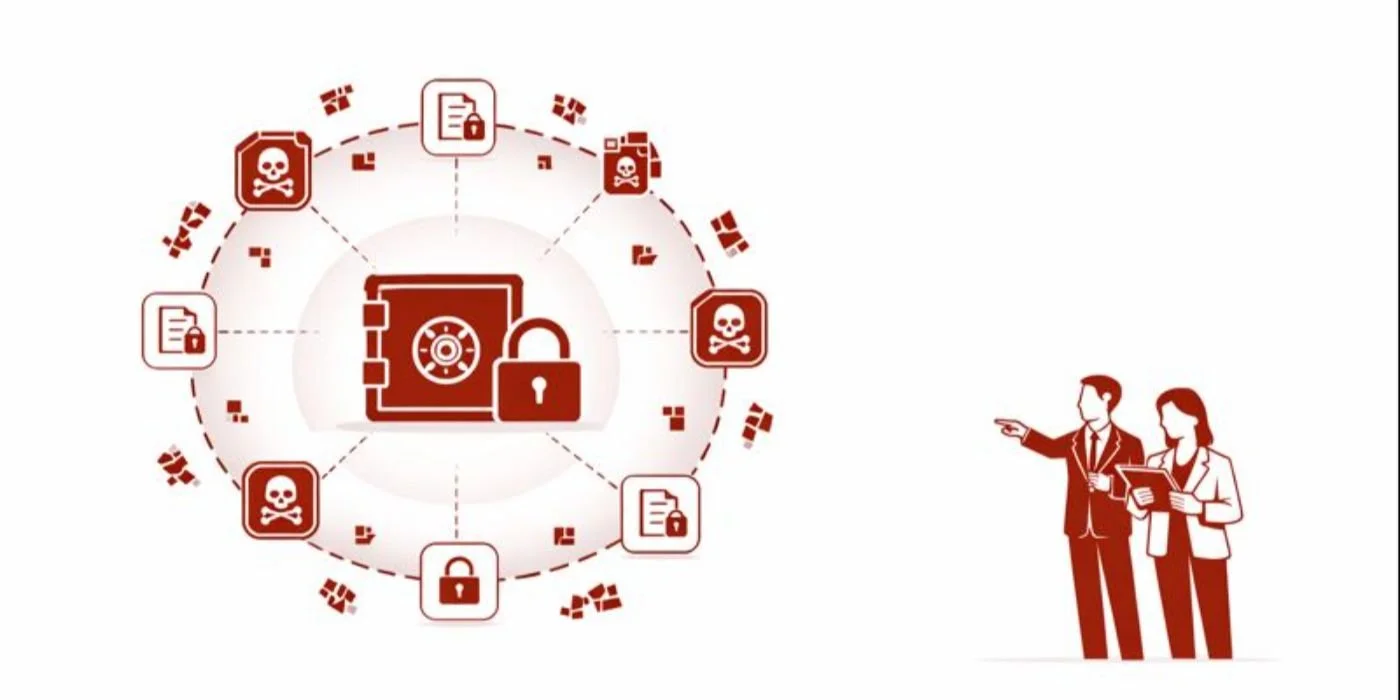
Ransomware groups are evolving into disruption businesses. Their product is not just encryption. Their product is leverage. That leverage comes from three things: control, proof, and pressure. Control means they can reach critical systems through identity and admin tooling. Proof means they can show data samples, internal screenshots, or evidence of lateral movement. Pressure means they can threaten downtime, regulatory exposure, and customer trust simultaneously.
If you want a baseline on how quickly the ecosystem has matured, anchor your thinking in State of Ransomware 2025: Original Threat Analysis and Industry Impact. It is a good reference point for how modern operators already combine access brokers, stealth movement, and extortion economics. Now layer on what is accelerating toward 2027: identity abuse, cloud expansion, and automation. Workforce shifts also matter, because defender coverage gaps will grow as environments get more complex. For future skill planning and capability mapping, connect this to Future Skills for Cybersecurity Professionals: Essential Competencies by 2030.
The next evolution will also be sector tuned. Attackers do not need to “break everything.” They need to break what your business cannot operate without. In healthcare, it is uptime and patient operations, which is why the risk profile keeps rising in Healthcare Cybersecurity Predictions: Emerging Trends and Risks for 2026–2030. In finance, it is fraud pressure, audits, and regulatory visibility, which is why defenders need to align controls with Cybersecurity Trends in Finance: Predictive Insights into Emerging Risks by 2026–2030. In manufacturing, operational technology and production continuity create unique choke points, emphasized by Manufacturing Sector Cybersecurity: Predicting Key Security Trends by 2030.
By 2027, “ransomware readiness” will be judged by your ability to interrupt the kill chain before encryption, not by your ability to recover after the fact. That requires stronger endpoint detection and response evolution, covered in Predicting Advances in Endpoint Security Solutions: Emerging Trends by 2027, and faster correlation and triage across signal sources, which is why security teams should study the direction of Next Gen SIEM: Future Cybersecurity Technologies You Need to Watch (2026–2030).
Before the 2027 era hits, businesses must accept a painful truth: ransomware is as much a governance and identity problem as it is an endpoint problem. The companies that struggle most will keep asking “Which tool should we buy?” instead of “How fast can we detect token abuse, stop lateral movement, and prevent data staging?” If you want a broader compliance and operational lens for these changes, connect your planning to The Next Generation of Cybersecurity Standards: Expert Predictions (2026–2030) and how audit expectations are shifting in Predicting Future Cybersecurity Audit Practices: Innovations and Changes (2026–2030).
2) The 2026 to 2027 ransomware kill chain you must be able to interrupt
Most businesses still model ransomware as “infection then encryption.” By 2027, the kill chain will look more like a takeover campaign. The first objective is to obtain persistent access that does not look suspicious. That is why “valid login” style compromise will keep growing. Your SOC must treat identity events as first class detection signals, not as a separate IAM dashboard nobody watches. If your organization has not aligned identity telemetry with endpoint actions, start by examining the modernization direction in Next Gen SIEM: Future Cybersecurity Technologies You Need to Watch (2026–2030) and the endpoint capability curve in Predicting Advances in Endpoint Security Solutions: Emerging Trends by 2027.
After initial access, attackers prioritize discovery. They map identity privileges, backup systems, and the systems that control IT operations. This is where living off the land techniques do the most damage, because they hide behind legitimate tools. Your defender advantage comes from behavior analytics and correlation, not signature detection. The threat does not need exotic malware if it can use your admin utilities. To structure that detection thinking, connect your program design to Automation and the Future Cybersecurity Workforce: Will Robots Replace Analysts (2026–2030), because automation will be required simply to keep up with investigation volume.
Then comes privilege escalation and lateral movement. By 2027, lateral movement will often be identity based rather than exploit based. Attackers will target service accounts, remote management tools, and cloud admin roles because those pathways are efficient. If you are still treating service accounts as “internal plumbing,” you are leaving an attacker a silent highway. Tie your defense posture to governance expectations reflected in The Next Generation of Cybersecurity Standards: Expert Predictions (2026–2030) and to audit realities described in Predicting Future Cybersecurity Audit Practices: Innovations and Changes (2026–2030).
The final stage is not always encryption. The final stage is business pressure. Attackers will stage data, threaten disclosure, and target the systems that make recovery slow, such as backup repositories and domain control. If your backup is reachable from the same identity plane as everything else, you do not have a backup. You have a delayed failure. For recovery lens and risk framing, use the threat and impact context in 2025 Data Breach Report: Industries Most at Risk and Mitigation Strategies and the ransomware baseline in State of Ransomware 2025: Original Threat Analysis and Industry Impact.
3) The four failure points that will keep getting businesses hit through 2027
Ransomware succeeds when defenders lose time. Most losses happen in four predictable places.
First, alert overload creates slow decisions. Teams drown in low value detections and miss the handful that matter. This is not a staffing problem only. It is a signal quality and triage design problem. If your detection stack produces noise, attackers can operate inside your noise floor. Investing in capability without reducing noise produces false confidence. Align your SOC operating model with the technology trajectory in Next Gen SIEM: Future Cybersecurity Technologies You Need to Watch (2026–2030) and workforce expectations in Future Skills for Cybersecurity Professionals: Essential Competencies by 2030.
Second, blind spots remain normal. Unmanaged endpoints, contractor devices, and cloud workloads create a patchwork of partial coverage. Attackers look for the place your policies do not reach. If your EDR coverage is 92 percent, ransomware only needs the 8 percent. If you want a reality check on endpoint effectiveness and adoption gaps, pair your planning with State of Endpoint Security 2025: Original Data on Solutions Effectiveness and the forward view in Predicting Advances in Endpoint Security Solutions: Emerging Trends by 2027.
Third, investigations are slow because evidence is scattered. If identity telemetry is separate from endpoint telemetry, and endpoint telemetry is separate from network telemetry, your analysts waste hours building a story instead of executing containment. That time cost is what ransomware operators monetize. Organizations that win will have unified timelines and playbooks that compress decisions. That evolution is directly connected to the tooling direction in Next Gen SIEM: Future Cybersecurity Technologies You Need to Watch (2026–2030) and to standardization pressure described in The Next Generation of Cybersecurity Standards: Expert Predictions (2026–2030).
Fourth, response is inconsistent. Containment steps vary by analyst, by shift, and by who is available. That inconsistency becomes a reliability problem during a high pressure event. By 2027, mature organizations will automate predictable containment actions and reserve human judgment for the hard calls. If you want to understand why this becomes non negotiable, connect ransomware preparedness to broader workforce automation themes in Automation and the Future Cybersecurity Workforce: Will Robots Replace Analysts (2026–2030) and the compliance expectation shift in Cybersecurity Compliance Trends Report 2025: Original Regulatory Insights.
4) The capabilities businesses must build to beat the 2027 ransomware playbook
If ransomware is becoming identity driven and cloud aware, your controls must follow. Start with identity hardening that is measurable. Reduce standing privileges, separate admin accounts, and implement stronger authentication for the highest leverage users. Make it impossible for a stolen credential to become total control. Then make identity telemetry actionable. You want automated triggers that force reauthentication, block risky sessions, and isolate endpoints when identity anomalies correlate with suspicious endpoint behavior.
This is where many businesses under invest. They buy tools but do not build the operating model. A mature model ties identity, endpoint, and log management into one decision engine. That modernization path is aligned with Next Gen SIEM: Future Cybersecurity Technologies You Need to Watch (2026–2030) and also with regulatory pressure trends seen across Privacy Regulations and Cybersecurity: Emerging Global Trends Predictions 2026–2030 and the compliance lens in GDPR and Cybersecurity: Original Compliance Challenges and Best Practices 2025.
Next, you must make data staging visible. Many organizations still focus on encryption indicators and ignore early exfiltration behaviors. By 2027, data staging will often happen before any encryption. You want detections for abnormal compression patterns, unusual outbound connections, and large transfers from sensitive stores. Pair that with egress controls that restrict high risk destinations and protocols. If you do not know which datasets create legal exposure, you cannot protect them. Use the breach risk framing in 2025 Data Breach Report: Industries Most at Risk and Mitigation Strategies and privacy evolution context in GDPR 2.0: Predicting the Next Evolution in Data Privacy Regulations.
Then focus on response reliability. Ransomware response is not a technical event only. It is a high speed coordination event. Your best technical team can still fail if leadership decisions are delayed, communications are inconsistent, and containment actions are not standardized. By 2027, businesses that win will have SOAR playbooks for predictable containment actions, plus tabletop drills that test executive and legal decision making. Tie this to audit readiness, because post incident review is becoming a compliance concern through Predicting Future Cybersecurity Audit Practices: Innovations and Changes (2026–2030) and the broader standards direction in The Next Generation of Cybersecurity Standards: Expert Predictions (2026–2030).
Finally, you must protect the recovery path. Immutable backups are not optional. Segregated backup credentials are not optional. Recovery drills are not optional. Ransomware groups will keep targeting backups because backups remove their leverage. If your organization has never performed a full restore under realistic constraints, your plan is unproven. Connect your control priorities to endpoint and recovery insights in State of Endpoint Security 2025: Original Data on Solutions Effectiveness and ransomware impact patterns in State of Ransomware 2025: Original Threat Analysis and Industry Impact.
5) A practical 12 month roadmap to be ransomware resilient by 2027
Most businesses fail by trying to do everything at once. Instead, aim for a sequence that produces immediate risk reduction.
Month 1 to 3: reduce your biggest identity risks. Inventory privileged accounts, enforce phishing resistant MFA for admins, rotate service account keys, and remove unused privileges. Establish break glass accounts with strict monitoring. Build baseline identity detections for anomalous logins and session behavior. If you need governance context for why this matters, align the roadmap to evolving compliance expectations in Cybersecurity Compliance Trends Report 2025: Original Regulatory Insights and privacy pressure in Privacy Regulations and Cybersecurity: Emerging Global Trends Predictions 2026–2030.
Month 4 to 6: tighten endpoint and lateral movement control. Ensure coverage for every endpoint that touches critical data. Reduce unmanaged devices. Enable behavioral prevention and command line telemetry where feasible. Add isolation automation for high confidence detections. Validate that security controls align with the endpoint capability direction in Predicting Advances in Endpoint Security Solutions: Emerging Trends by 2027. If you are building SOC maturity at the same time, connect this to career structure and role clarity using Complete Guide to Becoming a SOC Analyst (2025) and progression planning in From SOC Analyst to SOC Manager: Step by Step Career Advancement Guide.
Month 7 to 9: unify evidence and compress investigations. This is where next gen SIEM strategy pays off. Your goal is to reduce time to triage and time to containment. Build correlation between identity anomalies and endpoint behaviors. Standardize how incidents are escalated. Build ransomware specific playbooks. The technology trajectory and architectural thinking is reinforced by Next Gen SIEM: Future Cybersecurity Technologies You Need to Watch (2026–2030) and the workforce automation angle in Automation and the Future Cybersecurity Workforce: Will Robots Replace Analysts (2026–2030).
Month 10 to 12: prove recovery and leadership readiness. Implement immutable backups and segregated access. Run recovery drills with real time constraints. Run tabletop extortion drills that involve legal, finance, and communications. Validate that your controls and procedures meet audit expectations described in Predicting Future Cybersecurity Audit Practices: Innovations and Changes (2026–2030) and the standardization direction in The Next Generation of Cybersecurity Standards: Expert Predictions (2026–2030).
If you execute this roadmap, you shift from reactive defense to predictive disruption. You shorten attacker dwell time, remove their leverage against backups, and reduce the probability that an identity compromise becomes enterprise wide compromise. That is what ransomware resilience will mean by 2027.
6) FAQs
-
The biggest change is that encryption becomes optional. Attackers will increasingly prioritize identity takeover, data staging, and business pressure tactics that still create crisis even if you can restore systems. That is why the most important defenses are early detection of identity anomalies, fast containment, and controls that prevent data exfiltration. Build your model around the behavior patterns highlighted in State of Ransomware 2025: Original Threat Analysis and Industry Impact and align your detection modernization to Next Gen SIEM: Future Cybersecurity Technologies You Need to Watch (2026–2030).
-
Because valid logins remove friction. When attackers use stolen sessions or credentials, many organizations treat the activity as normal until it is too late. That time gap is where discovery, privilege escalation, and backup sabotage happen. To counter this, treat identity signals as core SOC detections and correlate them with endpoint behavior. This direction aligns with the control expansion described in Predicting Advances in Endpoint Security Solutions: Emerging Trends by 2027.
-
Backups fail because they are reachable with the same credentials attackers compromise, they are mutable, or the organization never tested restore speed under real constraints. Attackers know this and target backup repositories early. The fix is immutable backups, segregated credentials, and routine recovery drills that prove actual RTO. Risk framing also ties into breach impact realities covered in 2025 Data Breach Report: Industries Most at Risk and Mitigation Strategies.
-
Focus on leverage reduction. Harden identity, reduce privileged access, use phishing resistant MFA for admin users, and ensure immutable backups. Then standardize a simple incident playbook that triggers isolation and credential resets fast. SMBs also need to understand regulatory and standards pressure because it affects insurance and customer trust, reflected in Predicting the Impact of Cybersecurity Legislation on Small and Medium Businesses (2026–2030).
-
Leadership should train for decision speed and message discipline. The technical team can contain systems while leadership handles legal, customer communication, and operational continuity. Without practice, leaders delay decisions, which increases cost and harm. Run tabletop drills that simulate extortion pressure and align expectations with evolving audits and standards through Predicting Future Cybersecurity Audit Practices: Innovations and Changes (2026–2030).
-
Measure time and coverage. Time to detect identity anomalies, time to isolate endpoints, time to disable risky sessions, and time to restore critical systems. Measure endpoint and cloud visibility coverage, not license counts. Measure playbook execution consistency across shifts. This practical measurement approach aligns with the outcomes focus in State of Endpoint Security 2025: Original Data on Solutions Effectiveness and the operational maturity expectations in The Next Generation of Cybersecurity Standards: Expert Predictions (2026–2030).
