
Vulnerability Assessment: Techniques and Tools
Vulnerability assessment is where security stops being “we think we’re fine” and becomes measurable reality. Most breaches don’t start with movie-style zero-days—they start with boring, preventable gaps: exposed services, weak configurations, unpatched dependencies, and cloud permissions that quietly expand. A professional program finds those gaps before an attacker does, then turns findings into prioritized fixes that reduce real risk, not just ticket volume. This guide breaks down the core techniques and the tools that make them work in modern environments, including cloud, endpoints, web apps, and identity—so you can build an assessment process that survives audits and actually hardens defenses.
1) What vulnerability assessment actually is
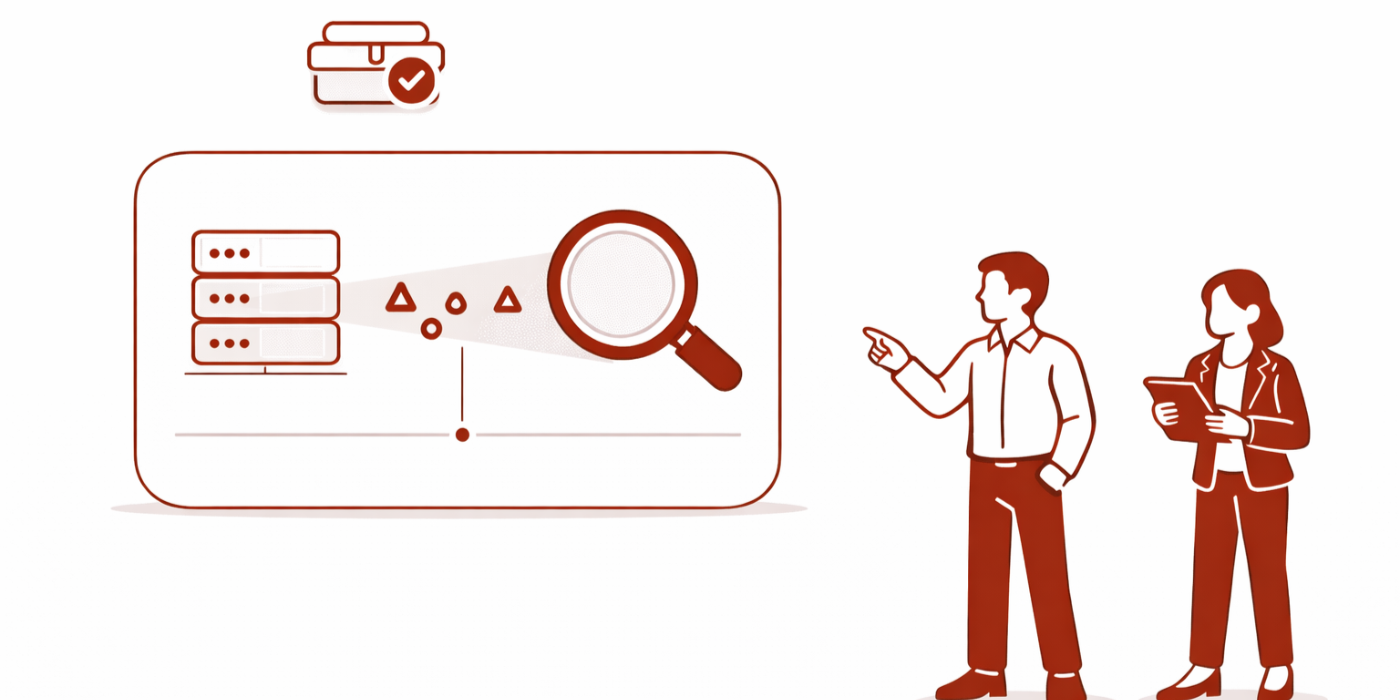
A vulnerability assessment is a structured process for identifying weaknesses in systems, applications, identities, and configurations, then translating them into decisions that reduce risk. It is not a one-off scan, a quarterly PDF, or a dashboard that counts CVEs like trophies. The mature version is a loop: discovery, validation, prioritization, remediation, verification, and trend improvement. When teams treat it as “run a scanner,” they end up with a loud backlog that never closes and a false sense of coverage.
Professionally run programs treat vulnerabilities as business exposures that map to attacker paths. A missing patch only matters if it sits on a reachable asset with meaningful impact; a misconfiguration only matters if it creates a privilege or data path; a weak identity control only matters if it can be abused at scale. That attacker-path thinking aligns naturally with the threat trajectory described in top cybersecurity threats by 2030 and the identity-centered future pressure discussed in AI-powered cyberattacks.
In modern environments, vulnerability assessment is inseparable from cloud and identity. A mis-scoped role can be more dangerous than a missing patch because it turns “valid access” into stealth compromise, especially in SaaS-heavy operations and remote-first teams. That is why programs that aim for long-term resilience connect assessment strategy to future of cloud security, governance expectations in future cybersecurity compliance, and audit defensibility trends in future cybersecurity audit practices.
2) Techniques and tools that actually work in 2026–2030
Professionals stop arguing about “best tool” and start designing coverage across layers: external attack surface, internal hosts, cloud posture, web apps, code supply chain, and identity privilege. The tools are only as valuable as the technique behind them, and the technique fails when the environment isn’t scoped, authenticated scanning isn’t possible, or ownership is undefined.
The first technique that separates mature teams from noisy teams is asset truth. If you can’t enumerate what exists, you can’t measure what’s vulnerable. Asset discovery blends network discovery, DNS/subdomain awareness, and cloud inventory. This becomes critical as organizations expand across hybrid environments and remote work patterns described in remote cybersecurity careers and long-term trends, where “inside vs outside” is less meaningful than “exposed vs controlled.”
The second technique is authenticated scanning for endpoints and servers. Unauthenticated scans are useful as an attacker-view, but the vulnerabilities that actually drive compromise often sit inside the OS and software inventory. Authenticated checks reveal missing patches, weak local policies, and insecure packages that external probing cannot reliably infer. When teams do this well, they treat scan credentials as a privileged workflow and align it with access-control discipline like what’s covered in firewall technologies and logging requirements typically managed through SIEM for accountability.
The third technique is application-layer assessment. Web scanning and API testing catch real exposures, but only when configured to handle auth flows and modern deployment realities. When you combine application testing with secure transport posture, you reduce a huge class of “quiet failure” issues tied to cryptography, certificates, and TLS. If your organization relies heavily on certificates, align this discipline with PKI components and applications and the practical crypto baseline expectations discussed in encryption standards like AES, RSA, and beyond.
The fourth technique is cloud posture management and infrastructure-as-code scanning. Cloud vulnerabilities are frequently configuration and permission exposures, not just CVEs. A public bucket, an overly permissive security group, a wildcard role, or a pipeline secret leak can create immediate compromise paths. The professionals who stay ahead treat cloud posture findings as engineering work owned by platform teams, not security “nag tickets,” and they tie program design to the skills expected of a cloud security engineer and the strategic trajectory in future cloud security trends.
The fifth technique is detection-assisted validation. Vulnerability assessment gets sharper when it’s fused with telemetry. If you can correlate “asset is vulnerable” with “exploit attempt observed,” you can move from theoretical risk to immediate exposure. That fusion is increasingly practical with modern platforms and is part of why the industry keeps pushing toward next-gen SIEM rather than treating logging as a compliance checkbox.
3) Scoping and methodology that prevents noisy results
Scoping is where vulnerability programs either become credible or become ignored. The professional approach starts by defining what “coverage” means, because coverage is not a feeling. Coverage is measured by asset population, scan frequency, authenticated depth, and verification rate. If any of those are weak, leadership will still think you are safe while attackers enjoy the gap.
A strong scope begins with tiers. You define critical assets, internet-exposed assets, identity systems, and data platforms as higher urgency because they shape blast radius. That thinking matches the logic behind zero trust security innovations, where access and segmentation are continuously evaluated rather than trusted by default. When you scope this way, you avoid wasting time scanning low-value systems weekly while high-risk exposures go stale.
Methodology must also reflect how your organization builds and changes systems. High-change environments need continuous assessment tied to pipelines, whereas stable environments can use periodic scanning with strong verification. If your organization is modernizing security operations, align your methodology with SOC workflows and evidence collection patterns described in the SOC analyst career guide and skill expectations in future skills for cybersecurity professionals, because vulnerability work increasingly depends on cross-team collaboration and operational discipline.
Authenticated scanning should be treated as a privileged capability. It must be approved, controlled, and monitored because it touches sensitive system state. When teams do this correctly, they build a formal process for credential handling, logging, and rotation, then connect it to broader governance needs discussed in future cybersecurity audit practices. This makes assessments defensible, and it prevents the classic failure where scanning credentials become an attacker’s shortcut.
The final scoping reality is cloud and remote access. Many organizations still treat VPN connectivity as “internal equals safe,” which is one reason lateral movement remains so common. A vulnerability program has to assess remote access paths and enforce app-layer authorization rather than trusting tunnels. If that’s your environment, the practical tradeoffs are covered in VPN security benefits and limitations, and the larger cloud posture impact shows up in future of cloud security.
4) Prioritization and remediation that actually reduces risk
Prioritization is where most programs fail, because they confuse severity labels with urgency. A CVSS “high” that isn’t reachable and can’t be exploited in your environment is not the same as a “medium” that sits on an internet-facing service with weak identity controls and active exploit attempts. Professionals prioritize by attacker opportunity, blast radius, and business impact, then use severity as supporting context rather than the single decision input.
A high-value prioritization model starts with exposure and pathway. Internet exposure raises urgency, privileged context raises urgency, and identity adjacency raises urgency. If an issue sits near credential storage, session tokens, admin tools, or deployment pipelines, it becomes a fast escalation path. That’s why modern threat forecasting keeps emphasizing identity takeover and automation, and why reading threats through the lens of AI-powered cyberattacks and top threats by 2030 makes vulnerability teams more effective rather than more anxious.
Remediation becomes realistic when ownership is explicit. Findings must route to teams that can actually change the system, and tickets must include proof-level context so engineering doesn’t waste cycles recreating the issue. When you capture evidence properly, you show what is vulnerable, why it matters, how it can be abused, and what the minimally disruptive fix looks like. This “reduce friction” mindset mirrors what drives strong engineering/security relationships and connects to how organizations prepare for regulatory scrutiny described in future of cybersecurity compliance.
Verification closes the loop. A professional program does not treat “patched” as a claim; it treats it as a state that must be proven. Rescans, configuration checks, and telemetry validation confirm fixes and catch regressions. This is one reason mature teams integrate vulnerability intelligence into monitoring pipelines and correlate issues with detections using SIEM, then evolve toward the richer correlation future described in next-gen SIEM.
This remediation discipline is also a ransomware control. Many ransomware events succeed because organizations have exploitable exposures and weak recovery posture simultaneously. When vulnerability assessment reduces privilege pathways and closes exposure windows, it directly supports resilience described in ransomware detection, response, and recovery, especially as extortion tactics evolve in ransomware evolution predictions.

5) Reporting, metrics, and continuous improvement
Good reporting is not a vulnerability list. It is a risk narrative backed by measurable evidence, and it is designed for decisions. A mature report makes it easy to see where exposures cluster, which teams are blocked, which systems repeatedly regress, and which controls are consistently failing. If your report cannot tell leadership where risk is growing, it becomes an inbox artifact rather than a security lever.
Professionals report on coverage and closure, because those are the two numbers that reveal whether the program is real. Coverage includes asset inventory completeness, percentage of authenticated scanning, and scan cadence. Closure includes mean time to remediate by severity and exposure tier, plus the rate of verified fixes. When these metrics are stable, your program is predictable, which is exactly what auditors and regulators look for, especially as audit expectations evolve in future cybersecurity audit practices and privacy pressure expands in global privacy regulation trends.
A professional program also reports on systemic causes. If the same class of misconfiguration appears repeatedly, the fix is rarely “work harder.” The fix is usually a baseline, an automated control, or an engineering guardrail. This is where cloud posture and infrastructure-as-code scanning become strategic rather than tactical, and it’s why vulnerability assessment is a core pillar of modern cloud programs tied to how to become a cloud security engineer.
Finally, continuous improvement depends on skill growth. As tools get more automated, the edge moves to scoping, validation, and prioritization. That’s why long-term career relevance is increasingly linked to the competencies in future skills for cybersecurity professionals and the role evolution described in job market trends, where operational excellence matters as much as technical depth.
6) FAQs
-
A vulnerability assessment is designed for broad, repeatable coverage that finds and tracks weaknesses across environments over time, while penetration testing is typically deeper, adversary-simulated validation focused on proving impact along selected paths. Mature teams use both, but they rely on assessment for continuous visibility and use testing to validate the most critical attacker paths. This layered approach aligns with audit-ready expectations discussed in future cybersecurity audit practices.
-
Authenticated scanning usually produces higher-signal host findings because it can see patch state and configuration reality, while unauthenticated scanning is valuable for external attack surface and “attacker view.” The professional approach uses both, then prioritizes based on exposure and exploitability rather than scan type. If your environment is cloud-heavy, complement this with cloud posture work described in future of cloud security.
-
You avoid drowning by designing scope tiers, validating high-risk issues, and prioritizing based on exposure, privilege context, and business impact. You also route findings to owners who can fix them and enforce verification before closure. This is where telemetry fusion through SIEM and modern correlation trends like next-gen SIEM can turn noise into action.
-
Cloud programs frequently lose to misconfigurations and permissions, not just CVEs. Public storage, over-permissive roles, exposed management interfaces, and pipeline secret leaks often create immediate compromise paths. That’s why cloud-centric teams anchor assessment strategy to engineering workflows and the skill set described in cloud security engineer guide.
-
You prove remediation with verification: rescans, configuration checks, and evidence capture that shows the vulnerable condition no longer exists. If a finding was exploitable, you validate the preconditions are gone, not just that a ticket was closed. This verification mindset also reduces ransomware risk by shrinking exposure windows, reinforcing resilience described in ransomware detection, response, and recovery.
-
Frequency should match change rate and exposure tier. Internet-facing and high-change systems need more frequent assessment, while stable internal systems can run on a predictable cadence with strong verification and drift detection. Remote access and VPN-related exposures should also be checked regularly, especially given the tradeoffs described in VPN security benefits and limitations.
