
The Ultimate Guide to Getting Advanced Cybersecurity & Management Certification in Wyoming: Everything You Need to Know in 2026-2027
Advanced cybersecurity and management certification in Wyoming works best when it is treated as a career-positioning tool, not a résumé decoration. The strongest candidates connect certification choices to Wyoming’s real cyber demand: energy operations, healthcare privacy, public agencies, education networks, small-business protection, remote security work, and leadership-ready risk management. This guide gives you a practical 2026-2027 roadmap for choosing the right credential path, avoiding wasted study time, and turning certification into interviews, promotions, consulting credibility, or management mobility.
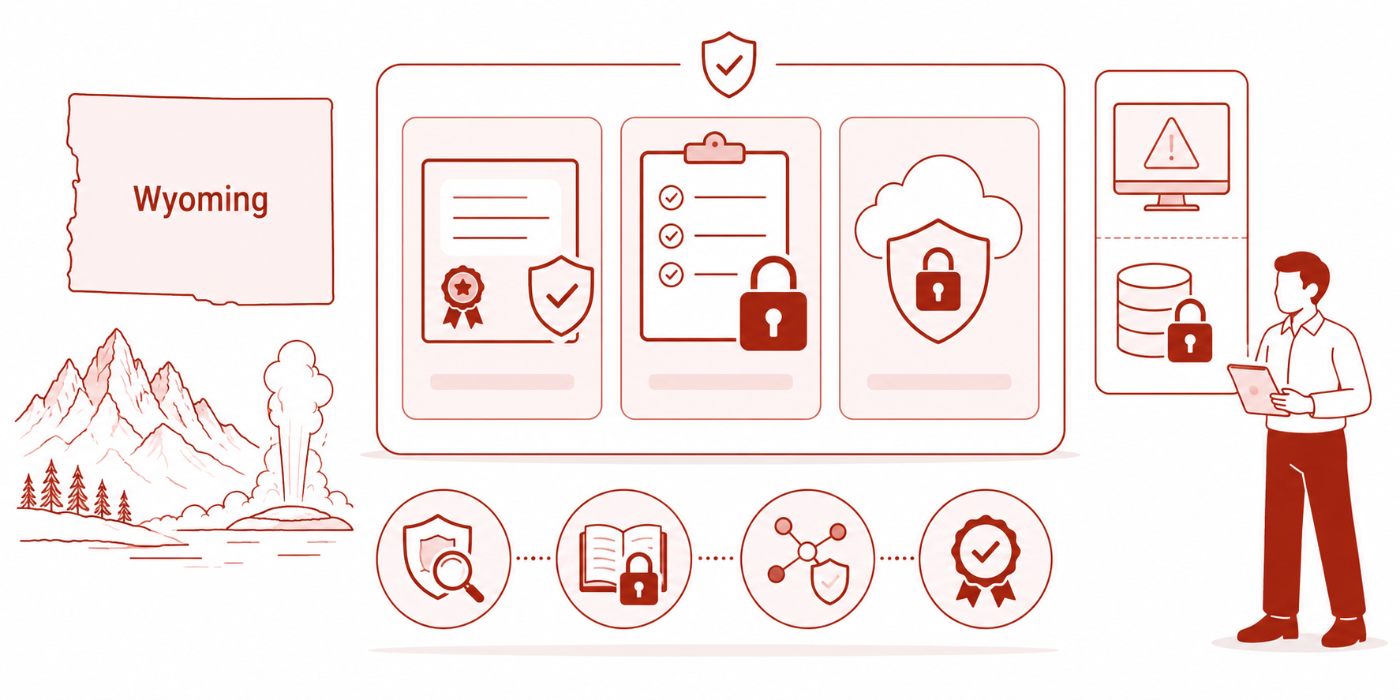
1. Why Advanced Cybersecurity & Management Certification Matters in Wyoming in 2026-2027
Wyoming’s cybersecurity market rewards professionals who can cover more ground with fewer layers of bureaucracy. A security hire in Cheyenne, Casper, Laramie, Gillette, Rock Springs, Sheridan, or Jackson may be expected to understand endpoint risk, cloud security, compliance, incident response, vendor selection, and business continuity within the same role. That is why an advanced cybersecurity and management certification path should connect technical skill with executive judgment. If you only study tools, you may miss the leadership language covered in the cybersecurity manager career pathway, the board-level thinking inside the CISO roadmap, and the role-specific planning explained in the security analyst to cybersecurity engineer guide.
The main pain point for Wyoming professionals is career ambiguity. Someone may have IT support experience, basic networking knowledge, or a few security tasks at work, yet still struggle to prove readiness for a higher-level cybersecurity role. Certification helps when it translates that scattered experience into a credible story: “I can assess risk, prioritize controls, communicate with leadership, and operate under pressure.” That is why the best plan often combines foundational learning from the free cybersecurity courses directory, role targeting from the SOC analyst guide, and long-term salary planning from the cybersecurity salary report.
Wyoming also creates a different kind of cybersecurity opportunity because many organizations need security maturity without massive internal teams. That favors professionals who can bridge technical execution and management planning. If you can explain vulnerability management through the lens of the vulnerability assessment techniques guide, compare vendors using the vulnerability scanner rankings, align controls with the NIST cybersecurity framework guide, and speak fluently about audit readiness through the cybersecurity auditor roadmap, you become more valuable than a candidate who only lists exam acronyms.
Wyoming Cybersecurity Certification & Career Decision Matrix: 26 High-Leverage Moves
| Career Situation | Best Certification Strategy | Wyoming-Specific Leverage | Best Internal ACSMI Next Step |
|---|---|---|---|
| IT support professional trying to enter cybersecurity | Start with security fundamentals, networking review, and SOC workflow practice. | Strong fit for small teams needing practical defenders who understand users and systems. | Move from IT support into cybersecurity analysis |
| Junior analyst with alert fatigue and unclear promotion path | Choose detection, triage, SIEM, and incident response training before chasing leadership credentials. | Helpful for Wyoming employers that need analysts who can reduce noise and escalate clearly. | Plan the SOC analyst to SOC manager jump |
| Network administrator moving into security | Pair security certification with firewall, IAM, monitoring, and vulnerability assessment evidence. | Valuable in distributed Wyoming environments with remote sites, lean teams, and uptime pressure. | Turn network administration into security mobility |
| Professional targeting energy or utilities security | Build governance, incident response, endpoint, and operational-risk knowledge. | Energy-heavy environments need security decisions that protect availability and field operations. | Study energy and utilities cybersecurity trends |
| Healthcare IT worker handling privacy-sensitive systems | Prioritize compliance, access control, endpoint protection, ransomware readiness, and audit documentation. | Wyoming healthcare organizations need defenders who can protect patient data with practical controls. | Strengthen healthcare compliance knowledge |
| Government or public-sector candidate | Blend risk management, policy, incident response, security awareness, and vendor oversight. | Public agencies need trust, documentation, continuity planning, and defensible procurement choices. | Understand public-sector cybersecurity needs |
| Small-business consultant in Wyoming | Choose management-friendly security certification plus practical controls for endpoints, email, backup, and access. | Local businesses need plain-English security help without enterprise complexity. | Map security solutions for small businesses |
| Aspiring cybersecurity manager | Add governance, budgeting, risk communication, staffing, and control prioritization to your technical base. | Lean Wyoming teams need managers who can turn risk into action plans. | Follow the cybersecurity manager roadmap |
| Compliance-focused professional | Build audit, control mapping, policy, evidence collection, and reporting skill. | Compliance value rises when organizations must prove security maturity to clients, insurers, or regulators. | Move toward cybersecurity compliance officer roles |
| Future auditor | Choose credentials that strengthen control testing, documentation discipline, and risk-based interviewing. | Audit-ready professionals help Wyoming organizations avoid messy evidence gaps. | Build a cybersecurity auditor pathway |
| Cloud security learner | Pair certification study with IAM, logging, configuration review, and shared-responsibility knowledge. | Wyoming employers using cloud services need people who can prevent misconfiguration-driven exposure. | Follow the cloud security engineer guide |
| Penetration testing candidate | Use certification to prove methodology, reporting, scope discipline, and remediation communication. | Technical testing gains value when findings become business-ready fixes. | Build an ethical hacking roadmap |
| OSCP-focused offensive learner | Prepare through labs, documentation, privilege escalation, enumeration, and report writing. | Wyoming consulting opportunities favor testers who can explain risk clearly to nontechnical owners. | Study the OSCP penetration tester roadmap |
| Incident response candidate | Focus on triage, containment, evidence handling, communication, and post-incident improvement. | Ransomware and business interruption risk make response readiness a leadership-level skill. | Move toward incident responder roles |
| Threat intelligence learner | Blend research, reporting, adversary behavior, phishing trends, and executive briefing practice. | Local organizations need threat intelligence that becomes prevention, training, and control tuning. | Start the threat intelligence analyst path |
| Security awareness or training professional | Combine cyber fundamentals with learning design, phishing prevention, and role-based training plans. | Wyoming employers need training that changes behavior across small, distributed teams. | Become a cybersecurity instructor or trainer |
| Senior analyst seeking promotion | Use advanced certification to prove mentoring, metrics, risk ownership, and process improvement. | Promotion cases become stronger when technical wins are tied to business risk reduction. | Advance toward senior cybersecurity analyst roles |
| Future CISO or security director | Choose management credentials that strengthen governance, board reporting, risk appetite, and budget defense. | Wyoming organizations need leaders who can make security understandable and fundable. | Study the CISO roadmap |
| Remote cybersecurity worker based in Wyoming | Choose credentials recognized across markets and build proof through projects, labs, and measurable outcomes. | Remote roles can expand opportunity beyond local hiring density. | Understand remote cybersecurity career trends |
| Cybersecurity freelancer or consultant | Certify around credibility, then productize assessments, policy reviews, and security roadmaps. | Local credibility matters when clients need trust before they share sensitive systems. | Explore cybersecurity consulting income paths |
| Professional worried about AI-driven attacks | Learn AI risk, phishing evolution, automation, detection engineering, and governance. | Smaller teams need defenders who can separate hype from actionable control changes. | Study AI-powered cyberattack trends |
| Endpoint security specialist | Use certification alongside EDR knowledge, device hardening, policy tuning, and incident triage. | Distributed work environments need endpoint defenders who can reduce exposure quickly. | Compare endpoint detection and response tools |
| Email security or phishing-prevention owner | Pair training with authentication, filtering, reporting workflows, and user behavior programs. | Phishing remains a practical risk for small teams, agencies, schools, and clinics. | Improve phishing prevention strategy |
| Security architect candidate | Build advanced control design, identity architecture, cloud patterns, and business-aligned risk modeling. | Architecture skill matters when organizations need secure growth without excessive tool sprawl. | Move toward chief security architect roles |
| Cybersecurity product or program manager | Use certification to understand controls, stakeholders, risk tradeoffs, and delivery accountability. | Management credibility grows when product and program decisions reflect real security constraints. | Build a cybersecurity program manager path |
| Professional choosing between certifications | Pick based on target role, current evidence gap, employer recognition, and your next 12-month move. | Wyoming candidates benefit from focused credential strategy because wasted time is expensive. | Compare top cybersecurity certifications |
2. How to Choose the Right Advanced Cybersecurity & Management Certification Path in Wyoming
A strong certification plan starts with your next role, not your current frustration. If your target is SOC work, start with detection, logs, triage, endpoint behavior, and escalation writing through the SOC analyst career guide, then connect that path to the SOC analyst to SOC manager guide. If your target is leadership, study how security programs are funded, measured, staffed, and defended through the security manager pathway, the director of cybersecurity roadmap, and the VP of cybersecurity leadership guide.
The biggest mistake is choosing a credential because it sounds impressive. A Wyoming employer hiring for a practical security role may care more about whether you can explain risk, close gaps, and improve procedures than whether your résumé has the most intimidating acronym. For example, someone moving from help desk into security should treat the IT support to cybersecurity analyst roadmap, the free cybersecurity resources directory, the access control models guide, and the security audits process guide as a skill-building stack before presenting themselves as management-ready.
If you already have technical experience, your certification strategy should remove the doubt that blocks advancement. Analysts often get stuck because they can investigate incidents but struggle to communicate patterns. Pen testers often get stuck because they can find weaknesses but struggle to make remediation feel urgent. Compliance candidates often get stuck because they know frameworks but lack operational examples. A better approach is to pair your certification with proof: a risk register, incident postmortem, control mapping sample, vulnerability report, cloud misconfiguration checklist, or executive briefing. The vulnerability assessment techniques guide, penetration testing tools comparison, SIEM solutions directory, and NIST framework adoption analysis can help turn study into portfolio-grade evidence.
For Wyoming professionals, geography should shape strategy. A candidate in a smaller market can gain leverage by becoming versatile across endpoint security, email protection, compliance, vendor management, and incident readiness. That means your certification path should support cross-functional credibility. Study the endpoint security providers directory, the EDR tools guide, the email security solutions directory, and the cybersecurity compliance trends report so your certification story feels useful to real organizations rather than isolated from daily security decisions.
3. The Wyoming Career Roadmap: From Certification to Better Roles, Better Pay, and More Trust
The best roadmap has three layers: role clarity, skill evidence, and advancement timing. Role clarity means knowing whether you are aiming for analyst, engineer, auditor, compliance officer, incident responder, ethical hacker, manager, consultant, or security leader. Skill evidence means building artifacts that prove you can do the work. Advancement timing means choosing the credential when it helps you win the next move, instead of collecting certificates while your résumé remains vague. ACSMI’s cybersecurity job market trends guide, salary growth analysis for security certifications, entry-level to CISO salary progression report, and certification career advancement survey report help frame the bigger career picture.
For entry-level candidates in Wyoming, the goal is to defeat recruiter skepticism. You need to show that you understand security operations, basic risk, logs, identity, endpoints, phishing, and incident escalation. That is where foundational certification, lab work, and role-specific study can work together. Use the how to become a SOC analyst guide, the cybersecurity analyst advancement guide, the cybersecurity workforce shortage study, and the remote cybersecurity salary analysis to understand where beginner credibility becomes employability.
For mid-career professionals, the pain point changes from access to differentiation. You may already have experience, but hiring managers may see you as “technical only,” “operations only,” or “compliance only.” Advanced cybersecurity and management certification can help you reposition yourself as someone who makes security decisions across people, process, and technology. That means you should combine management learning with practical depth in cloud security career development, incident responder pathways, cybersecurity compliance analyst growth, and security manager to director advancement.
For senior professionals, certification should sharpen executive credibility. This is where your value comes from translating technical risk into business decisions. Can you explain why a vulnerability scanner matters to insurance exposure? Can you defend an EDR budget? Can you prioritize identity controls before buying another tool? Can you build a practical roadmap for a rural healthcare provider, a school district, a local government office, or an energy-related business? The CISO career roadmap, chief security architect guide, cybersecurity program manager guide, and policy director pathway can help shape that leadership narrative.
Quick Poll: What Wyoming Career Result Are You Really Chasing With Advanced Cybersecurity & Management Certification?
Pick the outcome that matters most, because the right certification path changes with the career pressure you need to solve.
4. What to Study Before, During, and After Your Certification
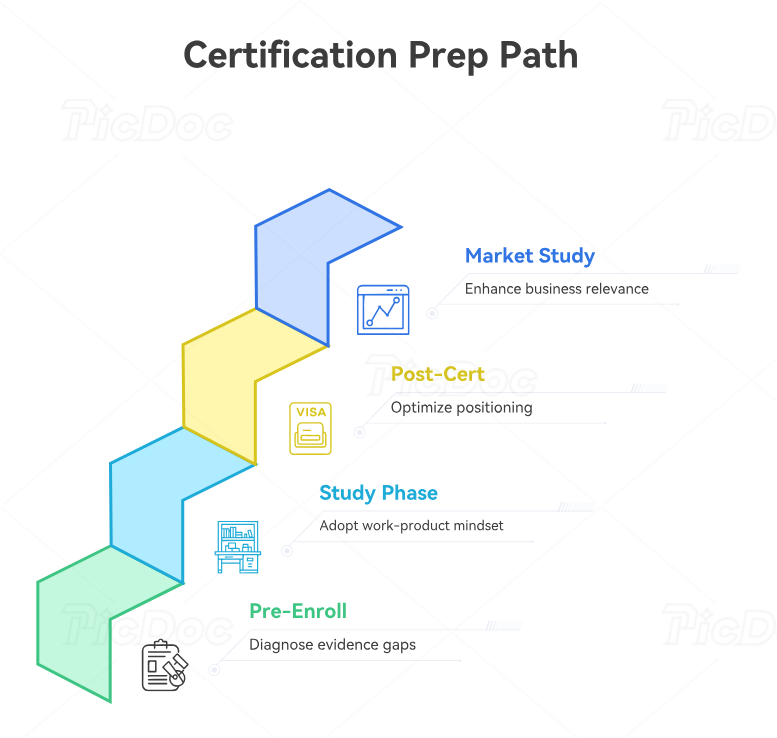
Before you enroll, diagnose your evidence gap. If you want a SOC role, your evidence gap might be log analysis, alert triage, SIEM workflows, or endpoint investigation. If you want compliance, your evidence gap might be control mapping, audit evidence, policy writing, or risk reporting. If you want management, your evidence gap might be budgeting, roadmap planning, stakeholder communication, or incident leadership. This is where internal study across SIEM solutions, EDR tools, cybersecurity frameworks, and security audit best practices can turn certification preparation into job-ready skill.
During certification study, keep a work-product mindset. Build a one-page incident response playbook. Write a risk register for a fictional Wyoming clinic, energy contractor, school, or small business. Compare two endpoint tools using criteria from the endpoint security solutions effectiveness report. Draft a phishing reduction plan using the phishing prevention trends report. Create a vulnerability management workflow using the vulnerability scanner expert guide. This gives you interview stories with shape, rather than vague claims about being passionate and motivated.
After certification, the work shifts to positioning. Update your résumé around problems solved, tools understood, risks reduced, and decisions improved. Replace passive lines with proof-driven bullets: “mapped endpoint risks across remote users,” “created incident escalation workflow,” “reviewed access control gaps,” “built vulnerability prioritization process,” or “translated audit findings into remediation tasks.” Then align your applications with the right path: cloud security engineer, incident responder, cybersecurity auditor, compliance officer, or cybersecurity manager.
The strongest candidates also study the market around their certification. Wyoming professionals who understand threat trends, sector risk, and tool ecosystems can sound more prepared in interviews and client conversations. Read across ransomware impact analysis, data breach risk by industry, cloud threat analysis, and incident response effectiveness. This broader awareness helps you explain why your certification matters to the business, which is often the difference between being considered qualified and being remembered.
5. How to Turn Certification Into Interviews, Promotions, Consulting Work, and Leadership Mobility
Certification alone rarely fixes a weak career story. The real goal is to make your value easier to understand. For interviews, that means connecting your credential to current role needs. A hiring manager should quickly see whether you can monitor threats, harden systems, support compliance, lead response, manage vendors, or guide security strategy. Use the cybersecurity certifications directory, global training providers directory, cybersecurity bootcamps directory, and cybersecurity books directory to build a learning ecosystem that supports your chosen direction.
For promotions, the question is ownership. Your manager needs to see that you can carry more responsibility without creating more supervision burden. If you want to move from analyst to senior analyst, bring examples of better triage, stronger documentation, improved alert handling, and clearer escalation. If you want to move from specialist to manager, bring evidence of mentoring, planning, vendor evaluation, policy improvement, and risk communication. Strengthen that case with the senior cybersecurity analyst pathway, security analyst to engineer roadmap, security manager to director guide, and senior security analyst to VP guide.
For consulting, your certification should support trust before the sales conversation begins. Wyoming small businesses, clinics, nonprofits, schools, local agencies, and contractors may need help but feel overwhelmed by cyber jargon. Your value rises when you can offer specific packages: endpoint review, email security assessment, access control cleanup, ransomware readiness plan, compliance gap review, tabletop exercise, or vendor shortlist. The SMB cybersecurity companies directory, nonprofit cybersecurity providers guide, healthcare cybersecurity firms directory, and security awareness training platform directory can help you think like a solutions advisor.
For long-term leadership, the path is credibility that compounds. A credential can open a door, yet your reputation grows through calm decisions, accurate prioritization, useful reporting, and the ability to say what should happen next. Study future-facing topics through the future cybersecurity skills guide, future cybersecurity certifications analysis, automation and cybersecurity workforce analysis, and next-generation cybersecurity standards predictions. Wyoming professionals who combine certification with market awareness can build careers that are portable, resilient, and leadership-ready.
6. FAQs About Getting Advanced Cybersecurity & Management Certification in Wyoming
-
The best path depends on the role you want next. Entry-level professionals should build fundamentals, SOC skills, endpoint awareness, and vulnerability basics through resources like the free cybersecurity courses directory, SOC analyst guide, and vulnerability assessment guide. Mid-career professionals should choose credentials that support specialization or management, then connect those credentials to the cybersecurity manager pathway or the cloud security engineer guide. Senior professionals should prioritize governance, leadership, risk communication, and program design through the CISO roadmap.
-
Yes, especially when certification is supported by practical evidence. Employers need proof that you can handle real security work, so pair your credential with labs, documentation samples, incident notes, risk assessments, and tool comparisons. The strongest route is to combine the IT support to cybersecurity analyst guide, the cybersecurity certifications directory, the best cybersecurity bootcamps directory, and the SOC analyst step-by-step guide. Certification gets more powerful when your résumé shows what you can investigate, protect, document, and improve.
-
The strongest fit is usually found where sensitive systems, operational uptime, compliance pressure, or distributed teams are involved. That includes energy, utilities, healthcare, government, education, finance, small business, and remote-first employers. You can build sector awareness through ACSMI resources on energy and utilities cybersecurity, healthcare cybersecurity threats, government cybersecurity providers, education cybersecurity solutions, and financial-sector cybersecurity incidents. The best candidates understand the business environment behind the security problem
-
Start with your target job description, then identify the missing proof that blocks you from being hired or promoted. If the role asks for monitoring, study SOC operations and SIEM tools through the SIEM directory. If the role asks for testing, study the ethical hacking roadmap and penetration testing tools comparison. If the role asks for governance, study cybersecurity frameworks and compliance trends. A credential should solve a specific career bottleneck.
-
It can be very useful because remote hiring often increases competition. A Wyoming-based candidate may need to prove that they can communicate clearly, work independently, document decisions, and support security operations across distributed teams. Strengthen your positioning with the remote cybersecurity careers outlook, remote versus on-site salary analysis, cybersecurity job market trends guide, and future cybersecurity skills guide. Remote employers care about trust, consistency, and proof that you can perform without constant supervision.
-
Update your résumé, LinkedIn profile, portfolio, and interview stories within the first week. Add role-specific proof: a risk register, incident response playbook, vulnerability management workflow, audit evidence checklist, cloud security review, or executive briefing. Then match your outreach to the right career lane using the incident responder roadmap, cybersecurity auditor guide, compliance officer roadmap, penetration tester pathway, and cybersecurity manager pathway. The certification becomes more valuable when you immediately convert it into evidence, applications, and conversations.
