
From Cybersecurity Specialist to CISO: Your Complete Guide to Career Advancement
Climbing from specialist to CISO has far less to do with collecting tools than it does with turning technical judgment into business protection, executive confidence, and repeatable leadership. The professionals who advance fastest understand where the cybersecurity job market is moving, how certifications influence advancement, what future skills employers will reward, and how salary progression expands from entry level to CISO. This guide shows how to build that progression deliberately, prove readiness at each rung, and stop letting strong hands-on work stay invisible when promotion decisions are made.

1. What Changes When You Stop Thinking Like a Specialist and Start Operating Like a Future CISO
A cybersecurity specialist earns trust by solving technical problems cleanly. A future CISO earns trust by making the organization safer, faster, and more resilient under pressure. That shift matters because promotion committees rarely advance people for isolated excellence alone. They advance people who can connect vulnerability assessment techniques and tools, security audits processes and best practices, SIEM operations and alerting logic, and incident response plan development and execution to business continuity, regulatory confidence, and leadership decisions.
At specialist level, your value often sits inside execution. You harden endpoints, validate controls, review detections, investigate phishing, tune alerts, or support access governance. Those are essential functions. Advancement starts when you can explain how state of endpoint security findings, phishing attack trends, data breach patterns across industries, and ransomware evolution should change budget priorities, staffing, tooling, training cadence, and executive reporting. Senior leaders do not need another dashboard reader. They need someone who can reduce uncertainty.
That is where many careers stall. Skilled practitioners stay buried inside task volume and never build executive translation. They can explain encryption standards like AES and RSA, PKI components and applications, intrusion detection systems deployment, and access control models such as DAC, MAC, and RBAC, yet they struggle to answer harder leadership questions: Which risk deserves immediate funding? Which gap is tolerated for 90 days? Which business unit creates the most exposure? Which control failure would create the worst board conversation? When you can tie technical reality to cybersecurity compliance trends, NIST framework adoption patterns, AI adoption in cyber defense, and the future skill stack for security leaders, you stop looking like a strong operator and start looking like leadership material.
From Cybersecurity Specialist to CISO: 26-Step Career Advancement Matrix
| Career Stage / Milestone | What You Must Be Able to Prove | Common Advancement Blocker | Move That Creates Real Leverage |
|---|---|---|---|
| 1. Security Specialist | Reliable execution on assigned controls, findings, tickets, and investigations | Work stays task-bound and invisible outside the team | Start documenting outcomes in business terms: risk reduced, hours saved, exposure narrowed |
| 2. Vulnerability Analyst | Prioritization skill beyond CVSS score alone | Reporting every issue with equal urgency | Rank exposures by exploitability, asset criticality, and business interruption potential |
| 3. SOC Analyst | Fast triage, escalation judgment, detection discipline | Too much alert handling, too little pattern recognition | Track recurring root causes and propose detection or process fixes |
| 4. Incident Responder | Containment speed, evidence handling, communication under stress | Technical response without cross-functional coordination | Lead after-action reviews that drive lasting control improvements |
| 5. Threat Intelligence Contributor | Ability to convert intelligence into action | Intelligence remains interesting rather than operational | Map threat reporting directly to detection content, hardening, and leadership briefings |
| 6. Detection Engineer | Quality telemetry, low-noise logic, measurable detection coverage | Building rules without business context | Show how improved detections reduce dwell time and analyst fatigue |
| 7. Penetration Tester | Validated exploitation skill and clear remediation guidance | Reports impress technically and fail strategically | Translate findings into likelihood, impact, and executive action priorities |
| 8. Cloud Security Engineer | Secure architecture, identity rigor, misconfiguration prevention | Strong tooling, weak governance alignment | Build reusable secure patterns and influence platform standards |
| 9. IAM / PAM Practitioner | Privilege control, lifecycle discipline, access review maturity | Access work feels administrative instead of strategic | Link identity weaknesses to breach paths, audit gaps, and ransomware containment |
| 10. AppSec Engineer | Developer influence, SDLC integration, remediation practicality | Security advice arrives too late to matter | Embed guardrails early and reduce friction for engineering teams |
| 11. GRC Analyst | Control mapping, policy discipline, evidence readiness | Compliance language feels detached from operational security | Connect control gaps to real incident scenarios and budget tradeoffs |
| 12. Security Auditor | Independent judgment and precise control evaluation | Findings land as paperwork rather than pressure points | Present issues by operational, regulatory, and reputational consequence |
| 13. Security Engineer | Architecture depth, implementation reliability, platform ownership | Excellent builder, limited stakeholder influence | Own technical roadmaps with milestones tied to business exposure |
| 14. Senior Analyst / Senior Engineer | Mentoring, prioritization, escalation maturity | Still seen as top individual contributor only | Train others, standardize work, and reduce dependency on your personal heroics |
| 15. Lead Specialist | Coordination across incidents, projects, or control areas | Leads execution without shaping direction | Run cross-team initiatives that improve security posture at system level |
| 16. Security Architect | Judgment across identity, network, cloud, data, and application layers | Architecture recommendations lack business prioritization | Create decision frameworks that help leaders choose between risk and speed |
| 17. IR / SOC Lead | Operational leadership, staffing judgment, metrics discipline | Team managed tactically with weak executive communication | Build service-level metrics and show operational risk trends to leadership |
| 18. Program Owner | Ownership of roadmap, dependencies, budget assumptions, and outcomes | Projects delivered without enterprise influence | Manage a security program that touches legal, IT, product, and finance |
| 19. Security Manager | People leadership, prioritization, resource allocation | Manager title without measurable program impact | Own a function with visible KPIs, staffing decisions, and executive reviews |
| 20. Multi-Team Manager | Scale management across analysts, engineers, and vendors | Decision quality drops when scope expands | Build delegation systems, operating rhythms, and tiered reporting |
| 21. Director of Security Operations | Enterprise incident readiness and response governance | Operations remain reactive and tool-centered | Drive resilience planning, tabletop exercises, and board-level reporting summaries |
| 22. Director of GRC / Audit | Regulatory confidence and executive control visibility | Too policy-heavy, weak operational credibility | Unify audits, controls, evidence, and risk treatment into one narrative |
| 23. Director of Security Engineering | Platform strategy, architecture influence, investment discipline | Engineering leadership without business alignment | Show how architecture choices reduce long-term exposure and operating drag |
| 24. Head of Security | Enterprise prioritization across people, process, and technology | Strong internal leadership, weak executive persuasion | Present risk choices clearly to non-technical leaders and win action |
| 25. VP / Senior Security Executive | Budget ownership, executive trust, external stakeholder confidence | Strategy exists without clear accountability model | Build a measurable security operating model and governance cadence |
| 26. CISO-Ready Candidate | Business fluency, board readiness, crisis leadership, talent-building skill | Deep expertise in one lane, thin enterprise judgment | Demonstrate enterprise-wide decision-making across risk, compliance, architecture, and response |
2. The Career Ladder From Cybersecurity Specialist to CISO
The journey from specialist to CISO almost never moves in a straight line. It moves through widening scope. Early in the climb, you are often proving depth. Mid-career, you are proving judgment across systems and teams. Senior progression depends on whether you can guide direction, resource decisions, and executive communication. That is why a strong foundation in a role such as SOC analyst, security analyst transitioning into engineering, or IT support moving into cybersecurity analysis often matters more than starting with a flashy title.
For many professionals, the first serious jump happens when they stop being known for effort and start being known for outcomes. A practitioner who can grow into incident responder responsibilities, contribute meaningful cyber threat intelligence analysis, and eventually own a path like threat intelligence analyst or cloud security engineer begins to build the kind of scope that leadership notices. The same applies on offensive paths. Someone following the ethical hacker roadmap, the CEH pathway, or the junior penetration tester to senior security consultant track gains leverage when they can translate findings into priorities executives can fund.
The next ceiling appears at management. This is where careers either accelerate or flatten. Technical experts who become cybersecurity managers without learning governance, communication, and prioritization often stay trapped at function level. Professionals who combine delivery leadership with compliance officer readiness, auditor-level control discipline, and the operating rigor required to move from SOC analyst to SOC manager build a far stronger case for director roles.
Director and head-of-security promotions require one more shift: enterprise-level thinking. At that point, you must understand how legal, finance, HR, infrastructure, product, and third-party risk intersect. You should be able to discuss GDPR-related cybersecurity challenges, healthcare compliance realities, financial sector cyber incident patterns, and broader cybersecurity salary and market data because CISOs do far more than secure tools. They shape risk posture, justify investment, align security with growth, and lead during moments when every weak process becomes painfully visible. That is the bridge into the CISO roadmap itself.
3. The Skills That Actually Trigger Promotion Decisions
Promotions into senior cybersecurity leadership usually follow a simple question: can this person be trusted with bigger consequences? The answer depends on more than technical strength. You need to show architecture judgment, operational discipline, communication clarity, and risk framing. A specialist who understands firewall technologies and configurations, VPN security benefits and limitations, IDS functionality and deployment, and best network monitoring and security tools already has the technical base. Leadership potential appears when that same person can decide which control gaps deserve immediate remediation and which ones require longer-term architectural change.
Identity and data protection capability create outsized leverage because they cut across almost every enterprise environment. Strong candidates for advancement can explain access control models, design around privileged access management solutions, support data loss prevention strategies and tools, and evaluate best DLP software options through the lens of operational reality. They also understand how endpoint detection and response tooling, leading endpoint security providers, SIEM solution selection, and cloud security platforms fit into one operating model instead of acting like disconnected purchases.
Application, cloud, and detection depth matter because senior security leaders must speak credibly to builders as well as executives. That means understanding application security tools, vulnerability scanner ecosystems, penetration testing tools, and cloud threat realities well enough to make tradeoffs the organization can live with. The strongest promotion candidates can walk from a misconfiguration review into a budget meeting and explain why one investment reduces audit pain, breach likelihood, insurance friction, and incident response drag all at once.
Framework fluency is the multiplier. Leaders who can organize work around NIST, ISO, and COBIT, interpret compliance trend data, connect to future cybersecurity certifications employers will value, and adapt to automation shifts in the workforce make promotion feel less risky for the organization. That is the real trigger. Senior advancement happens when leaders above you can picture you handling larger ambiguity without creating larger chaos.
Quick Poll: What Promotion Result Are You Really Chasing in Cybersecurity?
Pick the outcome that matters most, because the right advancement strategy changes with the target.
4. How to Build Promotion-Grade Visibility Without Waiting for a New Title
One of the biggest career traps in cybersecurity is assuming visibility will arrive automatically after enough hard work. It rarely does. Senior leaders are usually overwhelmed, under-briefed, and forced to prioritize based on whoever can present clean judgment under pressure. That creates an opening for ambitious specialists. If you can take technical work and package it into the language of security audits, incident response effectiveness, insider threat prevention, and critical infrastructure exposure, you start showing leadership value before leadership titles arrive.
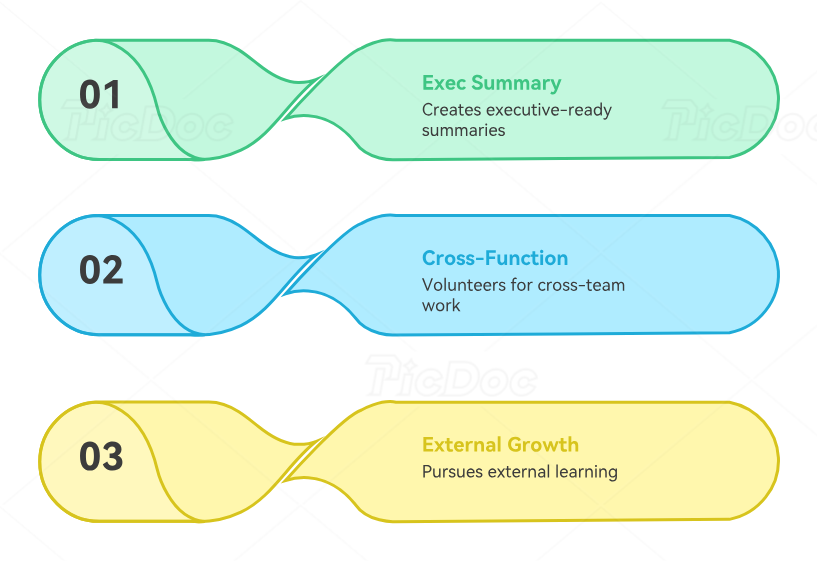
The first visibility asset is the executive-ready summary. After an incident, a major finding, a tool review, or a control assessment, write a one-page narrative that explains what happened, why it matters, what it affects, what should happen next, and what remains uncertain. Professionals who do this consistently separate themselves from peers who stop at screenshots and raw logs. These summaries become even stronger when you frame them against NIST adoption realities, GDPR security requirements, healthcare cyber compliance pressure, and the future of cybersecurity compliance. Leaders remember the people who make hard things legible.
The second visibility asset is cross-functional usefulness. Volunteer for work that touches legal, procurement, engineering, or finance. Participate in vendor assessments. Compare service models from MSSPs, review options from top cybersecurity consulting firms, and understand how sector-specific realities shape decision-making in financial services security, healthcare security, and small business security environments. This kind of context makes you far more useful in director-track conversations because you understand tradeoffs, not only controls.
The third visibility asset is disciplined external growth. Attend from the best cybersecurity conferences, learn from top cybersecurity podcasts, sharpen your judgment with essential cybersecurity books, and track deeper thinking through research organizations and institutes. Then bring something back to work: a refined policy idea, a better tabletop structure, a better reporting format, or a sharper control recommendation. Visibility compounds when growth produces artifacts other people can feel.
5. Certifications, Education, and Portfolio Assets That Compound Over Time
Certifications matter most when they support the exact level of trust you are trying to earn next. Early in the climb, broad recognition can help you cross credibility thresholds faster. Mid-career, specialization and proof of depth become more useful. Senior leadership progression demands a different layer entirely: governance fluency, architecture judgment, business communication, and the ability to align security programs with enterprise goals. That is why it helps to use a strong cybersecurity certifications directory, study the salary growth tied to major certifications, review the impact of certifications on advancement, and compare them against the certifications employers are likely to value in the future.
Choose study paths based on role adjacency. If your trajectory leans offensive, the OSCP penetration tester path, the ethical hacker route, and the CEH progression guide can support the right proof. If your future is cloud, governance, or leadership, your advantage grows faster when certifications are paired with cloud security career direction, compliance analyst progression, and security manager to director advancement. The credential opens the door. The surrounding evidence gets you invited further inside.
Education still matters, yet portfolio proof matters more in crowded promotion environments. Build a record of work that demonstrates leadership judgment: post-incident reviews, risk prioritization memos, control maturity maps, staffing recommendations, vendor comparison matrices, tabletop exercise outcomes, and architecture decision notes. Supplement that portfolio with practical learning from cybersecurity bootcamps and academies, the global directory of cybersecurity training providers, free cybersecurity courses and resources, YouTube channels for learning and updates, and industry blogs and news sites. The fastest-growing leaders turn learning into visible operating improvement.
One underrated accelerator is teaching. When you can explain difficult security concepts clearly, you reveal maturity, structure, patience, and command. That is why leadership candidates often benefit from thinking like a future cybersecurity instructor or even a cybersecurity curriculum developer. Teaching forces you to organize knowledge, simplify complexity, and identify what people truly need to know. Those are executive leadership muscles in another form.
6. FAQs About Moving From Cybersecurity Specialist to CISO
-
The timeline depends less on calendar years and more on how quickly your scope expands. Someone who stays inside narrow execution can spend a decade without reaching director level. Someone who deliberately builds management, governance, architecture, and executive communication can progress much faster. Use the entry-level to CISO salary progression analysis, the cybersecurity job market trends report, and the step-by-step CISO roadmap to benchmark your pace against realistic role transitions.
-
In most cases, yes. A CISO owns far more than technical direction. The role includes delegation, staffing judgment, prioritization under budget pressure, executive communication, and crisis leadership. You need evidence that you can lead people and systems at the same time. That is why stepping through roles like cybersecurity manager, SOC manager, or director of cybersecurity progression builds much stronger readiness than staying in specialist-only lanes.
-
Several paths can lead there. Security operations, engineering, GRC, cloud security, incident response, audit, and offensive security all create legitimate routes. The deciding factor is whether you eventually gain enterprise breadth. A specialist rooted in SOC operations, cloud security engineering, compliance analysis, or the auditor pathway can reach CISO if that specialist grows into cross-functional decision-making and business risk ownership.
-
The biggest blockers are poor executive communication, weak prioritization, narrow business understanding, and the habit of solving everything personally. Organizations hesitate when a candidate looks essential in the weeds yet unproven at scale. Fix that by building skills around framework-driven security leadership, incident response governance, security audits and best practices, and the future competencies security leaders will need. Promotion gets easier when leaders can trust your judgment under ambiguity.
-
Sometimes that move helps, especially when your current organization has a flat structure or limited leadership openings. External moves often create bigger jumps in scope, salary, and title. Still, the best move is the one that gives you broader ownership, harder problems, and stronger executive exposure. Compare your options against the global cybersecurity salary report, remote versus on-site salary insights, and the freelance and consulting market report before deciding whether internal growth or external repositioning gives you more leverage.
-
The best certification mix depends on where you are today and what the next role expects. Early-stage professionals often benefit from broad baseline credibility. Mid-career professionals gain more from certifications that deepen specialization or validate enterprise-level understanding. Senior progression improves most when credentials support governance, architecture, and leadership trust. Start with the certifications directory, compare the salary growth analysis for major certifications, and review the career impact survey on certifications before committing time and money.
-
Your portfolio should prove how you think, not only what tools you touched. Include incident summaries, risk prioritization documents, control maturity assessments, vendor evaluations, executive briefing slides, tabletop notes, program roadmaps, architecture proposals, and staffing recommendations. Support that portfolio with evidence that you stay current through conferences, research institutes, industry podcasts, and books that deepen strategic judgment. A promotion-ready portfolio makes your leadership visible before the interview begins.
