
The Ultimate Guide to Getting Advanced Cybersecurity & Management Certification in Tennessee: Everything You Need to Know in 2026-2027
Tennessee cybersecurity careers reward people who can protect systems, explain risk, support compliance, and lead under pressure. A certification only helps when it sharpens that full career story. Use ACSMI’s cybersecurity certifications directory, certification career-impact analysis, salary growth research, and cybersecurity workforce shortage study to build a credential plan that points toward interviews, promotion, and long-term leadership credibility.
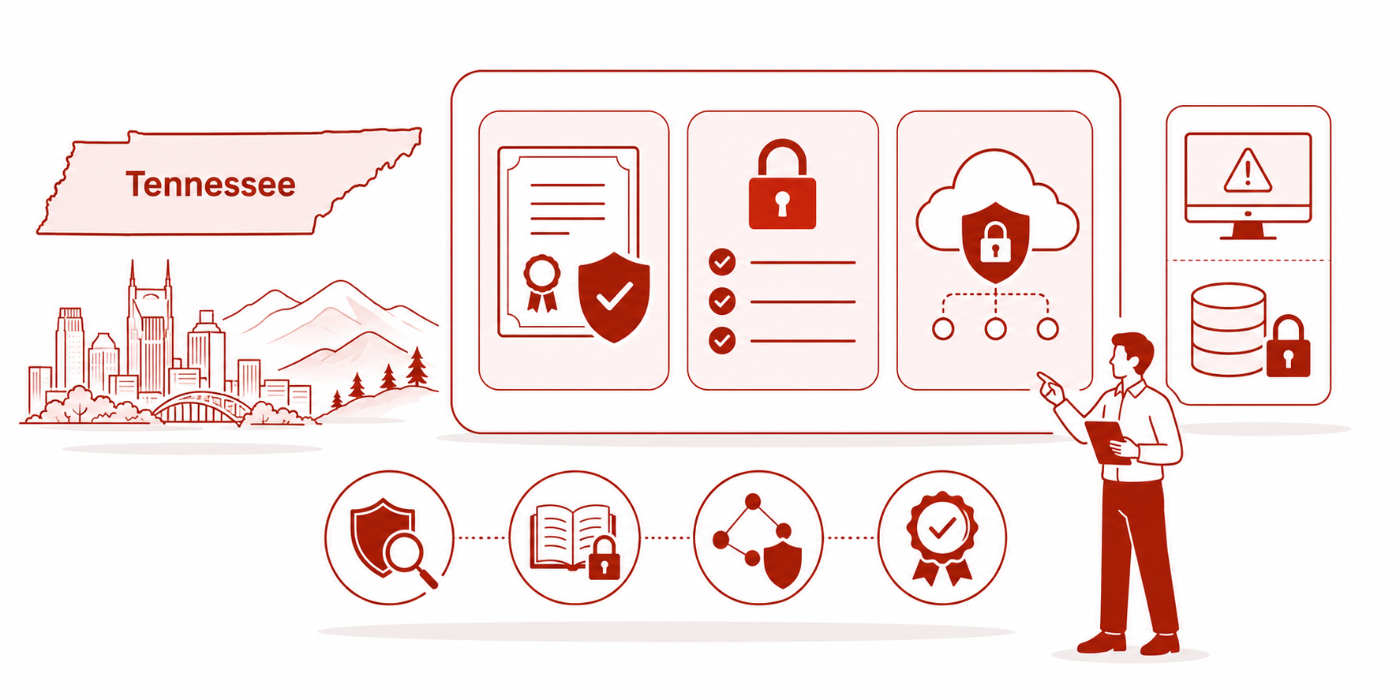
1. Why Tennessee Cybersecurity Candidates Need a Certification Strategy Before They Enroll
The biggest mistake Tennessee candidates make is treating certification like a résumé decoration. Hiring managers want evidence that you can reduce risk inside real business environments, especially when teams are stretched, tools are noisy, and incidents move faster than approval chains. Before choosing an advanced cybersecurity and management certification, compare your target role against ACSMI’s cybersecurity certification options, SOC analyst career guide, cybersecurity manager pathway, CISO roadmap, and future cybersecurity skills analysis.
Tennessee’s opportunity map is broad. Nashville candidates may face healthcare, SaaS, insurance, public-sector, and compliance-heavy security conversations. Memphis candidates often need stronger logistics, identity, third-party risk, and incident response language. Knoxville and East Tennessee professionals can benefit from energy, research, infrastructure, and government-adjacent security awareness. Chattanooga and manufacturing-focused candidates need operational resilience, endpoint defense, network monitoring, and vulnerability management depth. That is why your certification plan should connect to ACSMI’s healthcare cybersecurity tools directory, financial services cybersecurity firms guide, endpoint detection and response guide, network monitoring tools directory, and vulnerability assessment guide.
The real pain point is simple: a candidate can study hard, pass assessments, and still sound vague in interviews. “I understand cybersecurity” does very little. “I can triage alerts, explain business impact, map controls to NIST, brief leadership, support audits, and improve incident readiness” earns attention. Build your Tennessee plan around role proof, using ACSMI’s NIST cybersecurity framework adoption analysis, cybersecurity frameworks guide, incident response effectiveness report, security audits best practices, and cybersecurity compliance trends report.
Tennessee Cybersecurity Certification-to-Career Decision Matrix
| Career Situation in Tennessee | Certification Focus to Prioritize | Best ACSMI Resource to Pair With It | How It Creates Career Leverage |
|---|---|---|---|
| IT support professional trying to enter cybersecurity | Security foundations, ticket triage, identity basics, endpoint defense | IT support to cybersecurity analyst roadmap | Turns help desk experience into proof of security readiness instead of starting over from zero. |
| Beginner aiming for SOC analyst roles | SIEM workflows, alert handling, incident escalation, log interpretation | SOC analyst step-by-step guide | Gives recruiters a cleaner reason to trust you with real alerts and response procedures. |
| Junior analyst ready for stronger technical credibility | Detection engineering, vulnerability context, investigation writing | cybersecurity analyst advancement guide | Moves your profile from “entry-level learner” to “analyst who can improve security operations.” |
| Analyst moving toward cybersecurity engineer roles | Architecture, hardening, automation, cloud controls, network security | security analyst to cybersecurity engineer roadmap | Shows you can build and improve controls instead of only monitoring existing systems. |
| SOC analyst pursuing team lead or manager growth | Metrics, escalation design, playbooks, analyst coaching, executive reporting | SOC analyst to SOC manager guide | Creates promotion evidence around judgment, process ownership, and team maturity. |
| Compliance-focused candidate in healthcare, finance, or education | NIST, ISO, HIPAA-style controls, audit evidence, risk registers | cybersecurity compliance officer roadmap | Helps you speak the language of auditors, risk owners, legal teams, and executives. |
| Security professional pursuing audit work | Control testing, documentation, evidence quality, policy review | cybersecurity auditor guide | Builds credibility for roles where sloppy documentation can kill trust fast. |
| Cloud-focused Tennessee candidate | AWS, Azure, IAM, shared responsibility, cloud logging, misconfiguration risk | cloud security engineer career guide | Positions you for hybrid and remote roles where cloud risk is central to daily work. |
| Candidate targeting incident response roles | Containment, evidence handling, root cause analysis, breach reporting | incident responder pathway | Proves you can stay useful when pressure, uncertainty, and business disruption collide. |
| Threat intelligence beginner | Adversary behavior, reporting, MITRE-style thinking, executive summaries | threat intelligence analyst guide | Turns research into operational value instead of producing generic threat summaries. |
| Ethical hacking learner | Reconnaissance, web testing, exploitation ethics, reporting clarity | ethical hacker roadmap | Helps you avoid random tool-chasing and build an offensive security story employers can understand. |
| Penetration tester building serious proof | Methodology, report writing, remediation guidance, business risk translation | OSCP-certified penetration tester guide | Strengthens your profile for testing roles where findings must lead to real fixes. |
| Red-team-adjacent candidate | Adversary emulation, lateral movement concepts, detection collaboration | red team specialist guide | Shows you understand offensive work as security improvement, not tool demonstrations. |
| Penetration tester pursuing leadership | Scoping, client management, remediation strategy, team quality control | penetration testing manager guide | Builds evidence for managing testing programs, client expectations, and repeatable delivery. |
| Security manager aiming for director roles | Budgeting, governance, security roadmap ownership, board communication | security manager to director roadmap | Helps convert operational success into leadership credibility and strategy ownership. |
| Experienced professional targeting CISO track | Risk appetite, enterprise governance, executive reporting, resilience planning | CISO career roadmap | Moves your story from technical competence to enterprise security leadership. |
| Senior security leader pursuing VP-level scope | Portfolio management, cross-functional influence, security investment cases | VP of cybersecurity guide | Shows you can lead across business units instead of only running a security team. |
| Architect-minded candidate | Zero Trust, cloud architecture, IAM, endpoint strategy, resilience design | chief security architect roadmap | Strengthens your credibility for roles that require design judgment and technical authority. |
| Educator or trainer path | Curriculum structure, lab design, learner assessment, instruction quality | cybersecurity instructor guide | Turns field knowledge into teachable, measurable, career-building instruction. |
| Cybersecurity curriculum developer | Learning outcomes, job-role mapping, assessment design, lab sequencing | cybersecurity curriculum developer roadmap | Builds a pathway into training programs, academies, and workforce development roles. |
| Freelancer or consultant in Tennessee | Client discovery, risk assessment, pricing confidence, report quality | freelance and consulting market report | Helps convert certification knowledge into paid advisory work and repeatable client offers. |
| Candidate trying to negotiate better compensation | Role alignment, measurable outcomes, salary benchmarks, promotion evidence | cybersecurity salary benchmarks | Gives you stronger salary conversations based on role value instead of hope. |
| Healthcare cybersecurity pathway | HIPAA-aware controls, incident response, third-party risk, endpoint security | healthcare cybersecurity threat report | Matches Tennessee healthcare environments where downtime, privacy, and trust matter deeply. |
| Financial-services security pathway | Identity risk, fraud awareness, audit evidence, resilience, logging | financial sector cybersecurity incident analysis | Improves credibility for roles where risk visibility and control maturity drive decisions. |
| SMB cybersecurity pathway | Practical controls, backups, phishing defense, endpoint protection, vendor risk | small-business cybersecurity solutions directory | Prepares you to protect organizations with lean teams, limited budgets, and urgent exposure. |
| Manufacturing or industrial security pathway | Operational resilience, segmentation, monitoring, vulnerability reduction | manufacturing cybersecurity solutions guide | Connects certification learning to environments where disruption can affect operations fast. |
| Tool-focused learner who needs practical direction | SIEM, EDR, vulnerability scanners, DLP, cloud security, PAM | SIEM solutions directory | Stops tool overload by tying platforms to detection, response, governance, and business outcomes. |
2. How to Choose the Right Advanced Cybersecurity & Management Certification Track in Tennessee
Choose the certification path that closes the most expensive gap in your career story. If you already work in IT, your gap may be security translation: explaining how patching, access, logging, and backups reduce organizational risk. If you already work in cybersecurity, your gap may be management proof: showing you can prioritize risk, write stronger reports, improve processes, and brief non-technical stakeholders. ACSMI’s advanced cybersecurity certification overview, certification options guide, cybersecurity job market predictions, specialized role demand analysis, and automation workforce analysis can help you avoid the wrong credential bet.
For Tennessee candidates, the strongest advanced cybersecurity and management certification strategy usually covers five proof zones: technical security, governance, incident response, cloud or endpoint defense, and leadership communication. Technical security shows you can investigate real problems. Governance shows you can work around audits, policies, and risk ownership. Incident response shows you can perform under pressure. Cloud or endpoint defense shows you understand modern infrastructure. Leadership communication shows you can turn security findings into decisions. Pair your program with ACSMI’s cloud security tools directory, endpoint security report, DLP software directory, PAM solutions guide, and email security solutions directory.
Be careful with certification stacking. Multiple credentials can help when each one adds a clear layer to your target role. They weaken your profile when they look scattered. A Tennessee SOC candidate who studies SIEM, incident response, CySA-style detection, and endpoint security has a coherent story. A future security manager who combines governance, compliance, risk reporting, and team leadership has a coherent story. A cloud security candidate who studies IAM, misconfiguration risk, network segmentation, and cloud logging has a coherent story. Use ACSMI’s career roadmap from analyst to engineer, cloud security engineer guide, incident responder guide, compliance analyst roadmap, and security awareness training platform directory to keep your stack role-specific.
3. What Tennessee Employers Actually Need You to Prove After Certification
A certificate gets attention for a moment; proof keeps the conversation alive. Tennessee employers need evidence that you can help reduce incidents, improve visibility, strengthen compliance, and communicate tradeoffs. That means you should leave your advanced cybersecurity and management certification with a portfolio that makes your thinking visible. Build a mock security assessment, an incident response brief, a vulnerability prioritization memo, a cloud access review, and an executive risk summary. Strengthen those assets with ACSMI’s security audits process guide, vulnerability scanners directory, penetration testing tools comparison, application security tools guide, and state of ransomware analysis.
The strongest Tennessee candidates also understand that every industry has a different fear. Healthcare fears downtime, privacy exposure, weak vendors, and disrupted care workflows. Finance fears account abuse, audit findings, fraud, and reputational damage. Manufacturing fears downtime, segmentation gaps, endpoint exposure, and fragile operational technology. Education fears phishing, account takeover, ransomware, and limited security budgets. Public-sector employers fear service interruption, sensitive data exposure, procurement limitations, and public trust damage. That is why your interview answers should draw from ACSMI’s healthcare compliance report, financial services cybersecurity firms directory, education-sector cybersecurity directory, government public-sector cybersecurity firms guide, and manufacturing cybersecurity predictions.
The painful truth is that many candidates lose interviews because they answer with tool names instead of decisions. A hiring manager may ask about SIEM, EDR, DLP, IAM, or vulnerability management, yet the hidden question is always bigger: can this person decide what matters first? Practice explaining severity, likelihood, business impact, evidence quality, remediation ownership, and timeline. ACSMI’s SIEM solutions directory, EDR tools guide, DLP software directory, access control models guide, and phishing prevention trends report help turn tool familiarity into operational judgment.
Pick the pressure point that matters most, because your certification strategy should match the outcome.
4. How to Build a Tennessee-Ready Portfolio Around the Certification
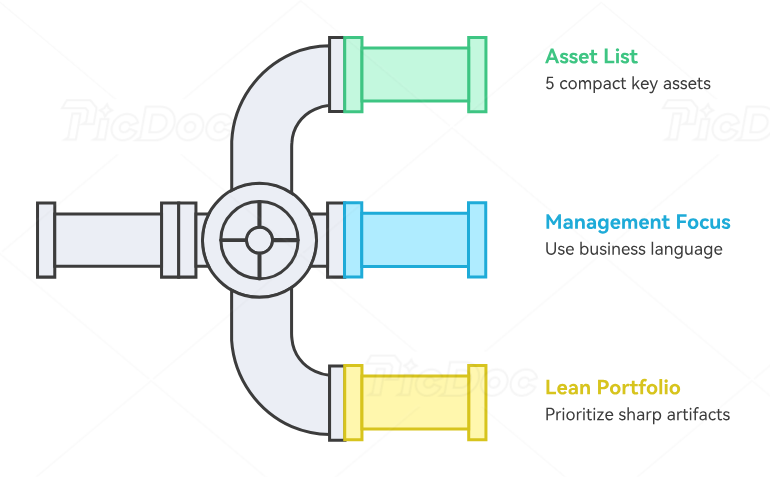
Your portfolio should prove that you can protect a Tennessee employer before they hire you. Start with five compact assets. First, create a one-page risk assessment for a healthcare clinic, logistics company, school district, manufacturer, or local business. Second, write an incident response timeline for a phishing-to-ransomware scenario. Third, produce a vulnerability prioritization memo that separates urgent fixes from noise. Fourth, create a cloud identity review showing risky permissions and remediation steps. Fifth, write an executive security summary that a non-technical leader could understand in three minutes. Use ACSMI’s healthcare cybersecurity report, ransomware evolution prediction, cloud threat analysis, vulnerability assessment techniques, and future of zero trust analysis.
The management side matters because advanced cybersecurity roles require business language. A brilliant technical finding can stall when the report fails to show ownership, cost, urgency, or operational impact. Tennessee candidates should practice translating “critical vulnerability” into “system exposed, likely attack path, affected business process, recommended owner, expected timeline, and residual risk after remediation.” That single habit separates stronger candidates from people who only list tools. Build that skill with ACSMI’s cybersecurity compliance officer roadmap, GDPR cybersecurity compliance guide, privacy regulations predictions, cybersecurity legislation impact analysis, and cybersecurity frameworks guide.
Keep the portfolio lean. A hiring manager will trust three sharp artifacts more than a cluttered folder of screenshots. Each artifact should answer four questions: what was the risk, what evidence supported the finding, what action should happen next, and what business outcome improves after action? If you are building toward SOC roles, include alert triage and escalation logic. If you are building toward GRC, include evidence mapping and control narratives. If you are building toward cloud security, include IAM and logging analysis. Support the path with ACSMI’s SOC manager pathway, cloud security tools directory, PAM solutions guide, incident response report, and best cybersecurity books directory.
5. How to Turn the Certification Into Interviews, Promotion, or Leadership Mobility
After certification, your next move should be a 30-day visibility sprint. Update your résumé headline, LinkedIn headline, skills section, project descriptions, and interview stories around one target path. A Tennessee candidate targeting SOC work should lead with detection, triage, SIEM, endpoint, and escalation. A candidate targeting compliance should lead with frameworks, audits, risk registers, policies, and control evidence. A candidate targeting leadership should lead with security roadmaps, stakeholder communication, incident readiness, and program maturity. Use ACSMI’s remote cybersecurity careers analysis, cybersecurity job market trends, entry-level to CISO salary progression, salary growth certification analysis, and certification impact report.
For interviews, prepare six stories before you apply heavily. One story should explain how you investigated a security issue. One should explain how you prioritized risk. One should explain how you handled unclear evidence. One should explain how you communicated with a non-technical stakeholder. One should explain how you improved a process. One should explain how your certification changed the way you make security decisions. These stories matter because Tennessee employers can teach a tool faster than they can teach judgment under pressure. Strengthen those answers with ACSMI’s threat intelligence analyst guide, incident responder pathway, ethical hacking transition guide, security analyst advancement guide, and chief security architect roadmap.
For promotion, connect the certification to your employer’s pain. Ask where the team struggles: audit readiness, alert fatigue, phishing resilience, cloud visibility, patch prioritization, vendor risk, executive reporting, or incident response maturity. Then volunteer for one focused improvement that can produce measurable evidence in 30 to 60 days. Examples include rewriting a playbook, improving phishing metrics, cleaning up privileged access, building a risk dashboard, or mapping controls to a framework. Use ACSMI’s phishing trends report, PAM solutions directory, NIST adoption analysis, cybersecurity compliance trends report, and cybersecurity manager pathway.
6. FAQs About Getting Advanced Cybersecurity & Management Certification in Tennessee
-
Yes, when the program starts with foundations and builds toward real operating skill. Beginners should use the certification to create a structured path across security basics, risk, tools, incident response, and communication. The smartest move is to pair the credential with ACSMI’s IT support to cybersecurity transition guide, SOC analyst roadmap, free cybersecurity resources directory, and certifications directory.
-
The strongest fits include SOC analyst, cybersecurity analyst, compliance analyst, incident responder, cloud security engineer, security manager, auditor, penetration tester, and long-term CISO-track roles. The certification becomes more powerful when you map it to one lane. Use ACSMI’s cybersecurity analyst advancement guide, cloud security engineer guide, cybersecurity auditor guide, and CISO career roadmap.
-
Choose based on the next job you want, not the job title you admire from a distance. Technical learners should prioritize labs, alerts, cloud controls, endpoint defense, and investigation. Management-focused learners should prioritize governance, risk, compliance, reporting, budgeting, and playbook design. Blend both when your target role requires leadership over technical teams. ACSMI’s security manager to director roadmap, incident responder pathway, and future skills report help clarify the balance.
-
Put the credential near the top, then attach it to proof. Add portfolio bullets like incident response plan, vulnerability prioritization memo, cloud access review, SIEM alert triage workflow, risk register, executive brief, or control mapping exercise. Recruiters need to see what you can do with the training. Support those bullets with ACSMI’s vulnerability assessment guide, SIEM solutions directory, cloud security tools directory, and security audits guide.
-
It can help when you convert the certification into role value. Salary movement usually depends on scope, specialization, employer demand, measurable impact, and negotiation strength. Use the credential to prove you can reduce risk, improve compliance, support security operations, and communicate with leaders. Then compare your target role against ACSMI’s global cybersecurity salary report, remote vs on-site salary analysis, salary growth certification analysis, and entry-level to CISO salary progression.
-
Start applying once your résumé, LinkedIn profile, and two to three portfolio artifacts clearly support your target role. Waiting for perfect confidence can become another form of avoidance. A practical plan is to spend two weeks polishing proof, then apply while improving your portfolio. Use ACSMI’s cybersecurity job market trends report, workforce shortage study, remote cybersecurity careers analysis, and certification career-impact report to keep momentum grounded.
-
Leadership candidates should turn every technical topic into a business decision. Instead of only studying attacks, study response ownership. Instead of only studying vulnerabilities, study prioritization. Instead of only studying compliance, study audit readiness and executive reporting. Your value rises when you can connect risk, people, process, technology, and budget. Build that leadership lane with ACSMI’s cybersecurity manager pathway, director of information security guide, VP of cybersecurity roadmap, and CISO roadmap.
